

Discover the Benefits of a Cold Wallet for Cryptocurrency
Could your digital assets be at risk simply because they’re connected to the internet?
Cold wallets are offline devices or tools that protect cryptocurrency. They store private keys away from the internet. This keeps them safe from cyberattacks that target online accounts.
Unlike hot wallets, which stay online, cold wallets are less vulnerable to hacking and theft. Data shows over 95% of crypto thefts target online storage. A cold wallet keeps funds safe even if a device is compromised.
This makes it crucial for long-term holdings. It’s a vital tool for keeping your investments secure.
Key Takeaways
- Cold wallets eliminate online exposure, blocking most cyber threats.
- Private keys remain secure in offline environments, avoiding phishing risks.
- They offer superior protection compared to mobile or exchange-based wallets.
- Essential for safeguarding large or long-term cryptocurrency investments.
- Prevents unauthorized access by keeping keys offline at all times.
What is a Cold Wallet?
A cold wallet is a device or method for storing cryptocurrency offline. It keeps private keys away from the internet. This secure storage reduces risks from cyber threats. Unlike hot wallets, cold wallets are offline, making them great for long-term storage.
Definition and Functionality
Cold wallets store keys on devices not connected to the internet. This keeps funds safe from hackers. Devices like Ledger and Trezor are examples, using physical devices for storage. Paper wallets print keys on physical documents.
The main goal is to prioritize safety over ease of use.
Comparison with Hot Wallets
“Hot wallets are convenient but vulnerable; cold wallets sacrifice ease for security.”
- Hot Wallets: Online access, easy to use, but exposed to hacking risks.
- Cold Wallets: Offline storage, stronger secure storage, but require physical handling.
Choosing depends on your needs. Hot wallets are good for small daily transactions. But, for big investments, cold wallets offer secure storage.
Types of Cold Wallets
Cold wallets, also known as cryptocurrency vaults, keep digital assets safe offline. Each type offers a mix of security, cost, and ease of use. The right choice depends on your needs and how much risk you’re willing to take.
Hardware Wallets
Hardware wallets are physical devices like Ledger and Trezor. They store your private keys on secure chips, away from online threats. Key features include:
- Offline storage preventing remote hacking
- Password protection and optional PIN codes
- Compatibility with multiple cryptocurrencies
Even with strong security, hardware wallets can be stolen. If you lose it, you could lose your assets without a backup.
Paper Wallets
Paper wallets print your private and public keys on paper. Made offline with software like Bitcoin Core, they’re cheap but risky. Weaknesses include:
- Vulnerability to fire, water, or accidental damage
- Risk of hacking during initial setup if connected to unsecured networks
- Manual transaction process requiring QR code scanning
With careful storage, paper wallets can be a backup. But they need a lot of attention.
Metal Wallets
Metal wallets etch keys onto stainless steel or titanium plates. Brands like CryptoSteel make them durable. Benefits include:
- Environmental durability against extreme conditions
- Long-term storage for HODLers (hold-to-invest)
- Physical tamper-proof seals on some models
Metal wallets are great for long-term storage. But they’re not as easy to use as hardware devices.
Choosing between hardware, paper, or metal wallets aims to reduce online risks. Each option has its own way of securing your cryptocurrency, focusing on either ease of use or maximum security.
Key Benefits of Using a Cold Wallet
Cold wallets protect cryptocurrencies with advanced security. They keep your digital money safe from online dangers. This makes them a crucial choice for investors.
Enhanced Security Features
- Stores private keys offline, eliminating direct access by hackers
- Uses encryption protocols to secure transactions
- Prevents unauthorized access via physical access requirements
Protection Against Cyber Attacks
Cold wallets work offline, shielding them from internet threats. This includes phishing and malware. They act as a strong defense against digital attacks.
Example:Hardware wallets like Ledger and Trezor use tamper-proof hardware to block remote attacks.
Control Over Private Keys
Users have full control over their private keys. This means they don’t rely on third-party platforms. It lowers the risk of exchange hacks or service outages.
| Benefit | Description |
|---|---|
| Offline Storage | Keeps keys offline, reducing hacking risks |
| Physical Security | Requires physical access for transactions |
| User Sovereignty | Users manage keys without intermediaries |
How to Set Up a Cold Wallet
Setting up an offline wallet needs careful planning. This ensures both security and usability. Follow these steps to safely store crypto away from online threats.
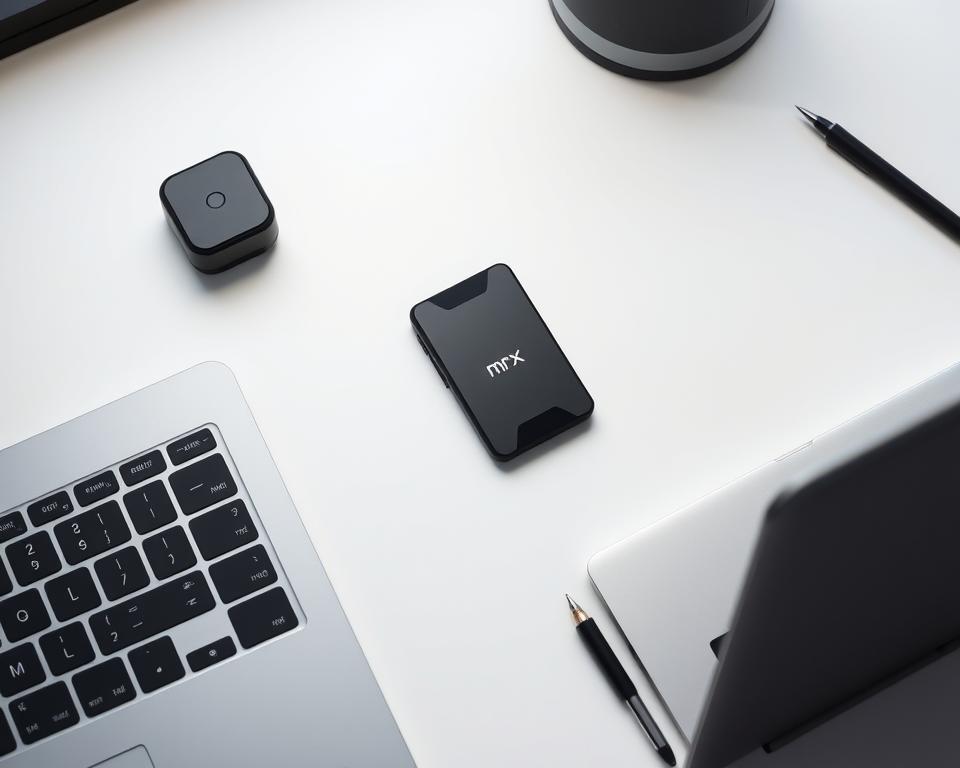
Choosing the Right Wallet
First, think about what you need. Popular choices like Ledger Nano X or Trezor Model T offer top-notch security. Look for devices with updates and offline use. Paper wallets need seed phrases printed on tamper-proof materials. Metal wallets are durable.
Step-by-Step Setup Process
- Unbox the hardware wallet and connect it to a computer using USB.
- Follow the device’s setup wizard to generate unique private keys. Never connect to the internet during this phase.
- Write down the seed recovery phrase provided and store it in a secure, offline location.
- Transfer funds directly from exchanges to the wallet’s designated address after setup.
Backing Up Your Wallet
Backup procedures are key. Use these methods:
- Create multiple physical copies of seed phrases using acid-free paper
- Store backups in waterproof containers separated from the main device
- Encrypt digital backups (if needed) with a strong password unrelated to your seed
Regularly test backups by restoring a small amount of crypto. This confirms they work.
Maintaining Your Cold Wallet
Keeping your digital assets safe is crucial. Ledger and Trezor say regular care stops threats. Taking good care keeps your wallet strong against new dangers.
“Firmware updates are the first line of defense against emerging cyber threats,” states Ledger’s security team. Regular checks are non-negotiable for long-term protection.
Regular Firmware Updates
Updates fix security holes. Never skip updates; old firmware leaves you open to attacks. Check the official site for how-to guides. Trezor users, for example, must turn on auto-updates in settings for important fixes.
Best Practices for Storage
- Store wallets in dry, temperature-stable environments to prevent hardware degradation.
- Use anti-static cases when transporting devices to avoid physical damage.
- Keep backup recovery phrases in fireproof safes, divided into separate locations.
Tips for Using Your Wallet Safely
Always disconnect your device from the internet unless in use. Avoid public Wi-Fi when moving funds. Test backups often to make sure they work—match testing with your portfolio’s value.
Good maintenance makes your cold wallet a strong protector. Following these steps turns simple care into a powerful defense.
Common Mistakes to Avoid
Keeping your crypto safe starts with avoiding simple mistakes. Many people overlook basic steps that make their wallet vulnerable.
Backup neglect is a big mistake. In 2018, someone lost $200,000 because they lost their recovery phrases. Always make physical backups and keep them in safe places.
- Store recovery phrases in waterproof containers
- Photocopy backup codes and lock them in safe deposit boxes
Ignoring security features can also be a problem. Not using PIN locks or updating firmware can lead to phishing attacks. Ledger and Trezor now require biometric authentication to help prevent this.
Not checking compatibility can also cause issues. Make sure your wallet supports all the cryptocurrencies you need before you buy.
Compatibility issues happen when you transfer altcoins to wallets that don’t support them. Trezor Model T supports over 4,000 tokens but not all privacy coins. Always check what assets your wallet supports through the manufacturer’s documentation.
To keep your wallet secure, don’t make these mistakes. Make sure to back up your data, use all security features, and check if your wallet supports all the assets you need before buying.
Understanding Private and Public Keys
Cold wallets use cryptographic keys to keep digital assets safe. Private and public keys are like a lock and key system for cryptocurrencies. They are the core of any secure crypto storage solution.
“Private keys are the ultimate authority in cryptocurrency ownership.” — Blockchain Security Experts
The Role of Private Keys in Security
A private key is a secret code that lets you access your crypto funds. Never share this key—losing it means losing access forever. Hardware wallets like Ledger and Trezor store private keys offline, reducing hacking risks.
Properly securing these keys is critical for any reliable crypto storage solution.
Public Keys Explained
Public keys let others send funds to your wallet. Unlike private keys, they’re safely shared with others. Think of it as a public address for receiving payments.
Cold wallets generate public keys without exposing private keys. This ensures safety during transactions.
Mismanaging keys undermines even the best crypto storage solution. Always verify transactions and avoid storing private keys online. Understanding these principles helps users maximize security with cold storage technology.
Integrating a Cold Wallet with Exchanges
Securing funds on exchanges needs careful planning with cold wallets. Moving assets offline reduces online threats. Always follow verified steps to avoid mistakes.
Transferring Funds to a Cold Wallet
Here’s how to safely move funds:
- Log into your exchange account and find the withdrawal options.
- Get a receiving address from your cold wallet using its interface.
- Copy the address carefully and paste it into the exchange’s withdrawal field.
- Enter the amount and confirm the transaction details to avoid mistakes.
Best Practices for Using Exchanges Safely
Follow these tips to stay safe:
- Enable two-factor authentication on exchanges.
- Avoid sharing withdrawal confirmations via unsecured channels.
- Regularly check exchange balances for unauthorized activity.
“Never reuse withdrawal addresses to maintain security.” – Blockchain Security Guide 2023
| Action | Security Level |
|---|---|
| Transferring funds daily | Low |
| Monthly transfers | Moderate |
| Quarterly transfers | High |
Choose less frequent transfers to reduce risks. Go for exchanges with multi-signature options for better security.
The Cost of Cold Wallets
Cold wallets provide secure storage but come with costs. Knowing these costs helps users find a balance between safety and budget.
Initial Investment vs. Ongoing Costs
Hardware wallets like Ledger Nano X or Trezor Model T cost between $80 to $250 upfront. Paper and metal wallets are cheaper, starting at $20 for paper and $30–$50 for metal. Most cold wallets have low maintenance costs, except for occasional firmware updates that might cost a bit.
Comparison: Cold Wallet vs. Hot Wallet Costs
Hot wallets don’t have hardware costs but charge for transactions and subscriptions. Here’s a quick comparison:
| Type | Upfront Cost | Annual Maintenance |
|---|---|---|
| Hardware Wallet | $80–$250 | $0–$20 |
| Paper Wallet | $2–$20 | $0 |
| Hot Wallet Apps | $0 | Transaction fees + subscriptions |
“A $100 hardware wallet is a small price for protecting thousands in crypto.” — TechCrunch, 2023
Cold wallets may cost more upfront, but they save money in the long run. They protect against security breaches and hacking. Hot wallets might seem cheaper at first but pose more risks from cyberattacks.
Real-World Examples of Cold Wallet Usage
Real-world incidents show how cryptocurrency vaults can both protect and fail under extreme conditions. This section looks at key events where security measures worked or failed under attack.
High-Profile Security Breaches
Bybit’s CEO Ben Zhou pledged compensation for users, but the $1.5 billion Ethereum theft exposed flaws in third-party software.
- Bybit (2025): $1.5B stolen via a compromised cold wallet update from Safe{Wallet}, allowing hackers to exploit a trusted partner’s code.
- Bitfinex (2016: $72M lost due to multi-signature system flaws, later recovering $3.6B in 2022 through blockchain tracking.
- Coincheck (2018: 523M NEM stolen when storing on a hot wallet instead of a cold cryptocurrency vault.
- KuCoin (2020: $280M lost but 84% recovered via blockchain analysis, underscoring the value of post-breach response.
Success Stories from Crypto Investors
Proper use of cold storage has saved millions. In 2022, FTX consultant Kumanan Ramanathan transferred $400M to his Ledger Nano hardware wallet during a hack, safeguarding funds until BitGo’s cold vaults were ready. Ballet Crypto’s 2023 report noted that users with Ledger devices faced zero losses during major exchange hacks in 2022-2023.
- Ledger Nano users like Ramanathan proved cold wallets prevent unauthorized access during breaches.
- Bybit’s failure highlighted that even cold wallet ecosystems require rigorous third-party audits.
These cases show that cryptocurrency vaults security depends on both technology and human oversight. Proper implementation, as seen in FTX’s crisis response, can turn potential disasters into recoverable incidents.
The Future of Cold Wallets
New technologies are changing how we protect crypto wallet protection. Experts say cold wallets will soon use advanced materials and AI to fight cyber threats. They will also have biometric authentication and quantum-resistant encryption to make them safer.
Trends in Cryptocurrency Security
- Biometric verification (fingerprint/voice scans) to replace traditional PINs
- Quantum computing-resistant encryption protocols
- AI-powered threat detection systems for real-time security monitoring
Innovations in Cold Wallet Technology
Companies are making wallets that can’t be tampered with. They use graphene-coated devices and self-destruct mechanisms. Ledger and Trezor are also working on blockchain-based audit trails to check wallet integrity.
“Next-gen cold wallets will prioritize ‘air-gapped’ designs with no internet connectivity by default,” says Dr. Emily Chen, a cybersecurity researcher at MIT.
Future wallets will have environmental sensors to detect tampering. They will also have decentralized key management systems. These updates match Ballet Crypto’s 2024 plan, focusing on crypto wallet protection through advanced hardware-software solutions.
Legal and Regulatory Considerations
Cryptocurrency is becoming more popular, and so are the laws around it. People using offline wallets need to keep up with these changes. This is important for how they store and report their assets.

Lawmakers around the world are making stricter rules. The Financial Action Task Force (FATF) says crypto wallet providers must follow anti-money laundering (AML) rules. They need to check customers for transactions over $1,000.
The EU’s MiCA regulation now requires offline wallet providers to be open about risks. They also need to keep assets separate. In the U.S., the SEC and FinCEN see crypto as property. This means wallet providers have to report certain transactions.
- FATF guidelines: Require customer verification and transaction monitoring.
- MiCA: Mandates transparency in wallet disclosures and security practices.
- U.S. rules: Crypto transactions trigger capital gains taxes; failure to report may incur $10,000 penalties or higher.
Tax rules are also important. The IRS views crypto as property, so every sale or exchange is taxable. Using an offline wallet doesn’t mean you’re off the hook for taxes. You still have to report gains or losses on Form 8949.
The IRS is serious about crypto taxes. They can fine you up to 75% of unpaid taxes if you ignore the rules.
Experts say using offline wallets can help avoid risks. But, you have to take care of your own security and tax paperwork. Custodial platforms like Coinbase hold your private keys, which can be a problem during hacks.
User Experiences and Testimonials
User feedback gives us real insights into cold wallet reliability. Many investors love hardware wallets like Ledger and Trezor. They say these wallets keep their digital asset security safe from cyber threats.
Places like BitcoinTalk and Reddit’s r/CryptoCurrency are full of tips. Users share how to keep their assets safe.
Reviews from Cold Wallet Users
One user said:
“After switching to a cold wallet, I stopped worrying about hackers. The private key control is a game-changer.”
Others talk about the hard parts, like setting it up or losing recovery phrases. A Ballet Crypto user said: “Backing up twice saved my funds during a device failure.”
Additional Resources and Forums
- Ballet Crypto Blog – Guides on cold wallet integration
- BitcoinTalk – Community-driven security tips
- Reddit CryptoCurrency – User discussions on hardware wallet comparisons
Forums and blogs keep users up-to-date on digital asset security. They offer the latest tips and advice.
Conclusion: Is a Cold Wallet Right for You?
Choosing the right crypto storage solution is about finding a balance. Cold wallets, like hardware wallets, are great for keeping assets safe offline. But, they need careful handling. You should pick one that fits your investment size and your tech skills.
Evaluating Your Needs
First, think about how much you’re investing and how much risk you’re okay with. If you have a lot to invest, a hardware wallet might be worth it. They start at $50 and are very secure. But, if you have less to invest, simpler options might be better.
It’s also important to know how to back up your wallet. Losing your backup can mean losing your money forever. And, if you’re not tech-savvy, managing a hardware wallet can be tough. You’ll need to update the firmware and handle encryption.
Making an Informed Decision
Look at the cost of hardware wallets against how safe they keep your money. They cost between $50 and $200 but protect against online threats. Make sure you can recover your funds if something goes wrong and that the wallet works with your favorite exchanges.
Choose a wallet based on how often you trade. If you hold onto your crypto for a long time, a hardware wallet is best. But, if you trade a lot, a hybrid wallet might be better. Always check if your wallet is up to date with the latest security measures.
FAQ
What is a cold wallet?
A cold wallet keeps your private keys offline. This makes it safe from hacking and malware. It’s key for keeping your digital assets safe long-term.
How does a cold wallet differ from a hot wallet?
A cold wallet stores keys offline, unlike hot wallets that are online. This makes cold wallets safer for big investments in cryptocurrencies.
What are the different types of cold wallets?
There are mainly hardware wallets, paper wallets, and metal wallets. Hardware wallets are easy to use and secure. Paper wallets use printed keys. Metal wallets are tough against damage.
What are the key benefits of using a cold wallet?
Cold wallets keep your keys offline for better security. They protect against hacking. You also keep full control over your keys, reducing reliance on others.
How do I set up a cold wallet?
First, pick the right wallet for you. Then, follow the setup steps. Make sure to back up your seed phrase for access to your assets.
What maintenance is required for a cold wallet?
Update your wallet’s firmware regularly. Store it well to avoid damage. Follow good security habits to keep it safe from cyber threats and physical harm.
What common mistakes should I avoid when using a cold wallet?
Don’t skip backup steps. Use all security features. Check if your wallet works with different cryptocurrencies to keep your assets safe.
What is the importance of private and public keys?
Private keys secure your assets, letting you manage funds. Public keys are for receiving funds and are your transaction address.
How do I transfer funds from an exchange to my cold wallet?
Use safe exchange practices. Make sure your cold wallet is set up right to receive funds. This way, you avoid online risks during the transfer.
What costs are associated with owning a cold wallet?
The cost of a cold wallet varies by type. But, it’s often cheaper than hot wallets in the long run. This makes cold wallets a smart choice for secure storage.
Are there any real-world examples highlighting cold wallet usage?
Yes, many examples show hot wallets’ risks. But, cold wallets have saved investors’ money from theft and loss.
What trends and innovations are shaping the future of cold wallets?
New tech is making cold wallets better. It includes stronger security, advanced materials, and new ways to authenticate. These changes will protect your digital assets even more.
What legal and regulatory considerations should I be aware of?
Stay updated on laws and taxes for digital assets. Changes can affect how you store and manage your assets.
Where can I find user experiences and testimonials about cold wallets?
Look for reviews in online forums. They share the good and bad. This helps new users learn how to store their cryptocurrencies safely.
Leave a Reply