

Explore the Top Cryptocurrency Wallet Options Today
Is your cryptocurrency wallet as secure as it looks? Over $1 billion was lost to crypto thefts in 2023. Choosing the wrong wallet could risk your assets. This article shows you the best wallets that are both secure and easy to use in today’s fast-changing crypto world.
Choosing a cryptocurrency wallet is more than just storing coins. It’s about keeping your digital wealth safe from hackers and scams. Whether you’re a seasoned trader or new to investing, the right wallet protects your private keys and makes transactions easy. But how do you avoid common mistakes like phishing attacks or outdated software?
Platforms like Coinbase and Binance Wallet now offer strong security. Yet, many users still make basic mistakes. This guide covers important topics like cold storage vs hot wallets, supported cryptocurrencies, and real-world security audits.
Key Takeaways
- Security flaws in cryptocurrency wallets cost users millions yearly
- Cold wallets reduce online exposure but require physical safeguarding
- Top wallets like Exodus now support NFTs and multi-signature features
- Private key management remains the most critical user responsibility
- Regulatory changes could reshape wallet compliance requirements by 2024
What is a Cryptocurrency Wallet?
A cryptocurrency wallet is a digital tool that lets users send, receive, and store cryptocurrencies. It doesn’t hold coins but gives access to blockchain records. The best crypto wallet keeps private keys safe. These keys prove you own your assets. Losing them means you can’t access your funds anymore.
Definition and Purpose
Custodial wallets, like those from Coinbase, store keys for users. This makes access easy but requires trust in the provider. Non-custodial wallets, such as Exodus, let users control their keys directly. Both types help manage Bitcoin, Ethereum, and other digital assets securely.
How Cryptocurrency Wallets Work
Public and private keys are at the heart of wallet security. Public keys create wallet addresses to receive funds. Private keys allow transactions. For example, the best crypto wallet uses encryption to prevent unauthorized access. Regular updates and two-factor authentication are key to staying safe.
“A secure wallet balances usability and safety. Prioritize options with multi-signature features and cold storage options.”
Choosing the best crypto wallet depends on your needs. Do you need speed for daily use or offline storage for long-term holdings? Researching reviews and security audits helps find a reliable tool for managing digital wealth.
Types of Cryptocurrency Wallets
Choosing a secure digital wallet depends on your use. Each type offers a mix of security, cost, and ease. Here’s a comparison:
Hot Wallets
Hot wallets are always online, perfect for quick, small transactions. Tools like Exodus Wallet or Trust Wallet are user-friendly but riskier. They’re best for short-term use.
Cold Wallets
Cold wallets stay offline, using devices like the Ledger Nano S or Trezor Model T. They’re safer but pricier and need careful handling. Great for long-term storage.
Paper Wallets
Paper wallets are physical prints of your private keys, made with tools like BitAddress.org. They’re offline and free but can get damaged or lost. Use for small amounts only if you have a safe place to store them.
| Type | Security | Convenience | Cost |
|---|---|---|---|
| Hot Wallets | Low | High | Free |
| Cold Wallets | High | Low | $50–$200 |
| Paper Wallets | Medium | Low | Free |
Hardware wallets, like the Ledger Nano X, offer both security and ease. They’re a favorite among many. Always choose a secure digital wallet that fits your trading style and risk level.
Popular Cryptocurrency Wallets in 2023
Choosing the right top blockchain wallet is key. You need to find one that fits your needs. Here are three top choices based on user feedback and expert opinions:
“Security and accessibility drive user preference for top blockchain wallets in 2023.”
Coinbase Wallet
Coinbase Wallet lets you easily use dApps and supports over 150 cryptocurrencies. Its mobile app is easy to use and keeps your data safe.
Binance Wallet
Binance Wallet is great for moving money between different blockchain networks. It also has a built-in DEX for trading and staking.
Exodus Wallet
Exodus Wallet is all about simplicity. It works on both desktop and mobile, and helps you track your portfolio. Its “Spend” feature makes sending and receiving money easy.
| Wallet | Key Features | Security | Usability |
|---|---|---|---|
| Coinbase Wallet | dApp access, multi-currency support | Biometric login, 2FA | 9/10 (User reviews) |
| Binance Wallet | Cross-chain transfers, Binance DEX | Hardware wallet compatibility | 8.5/10 (Ease of navigation) |
| Exodus Wallet | Portfolio tracking, “Spend” tool | Encrypted backups, password protection | 9/10 (Beginner-friendly) |
These wallets are at the forefront of innovation and user happiness. But, make sure to compare their features to your needs before picking a top blockchain wallet.
Factors to Consider When Choosing a Wallet
Choosing the right crypto storage solution involves three key factors. These factors help you manage your digital assets safely and effectively.
“Security flaws in crypto storage solutions can lead to irreversible losses, making informed choices essential.” – NerdWallet Guides
| Factor | Key Considerations |
|---|---|
| Security Features | Encryption, 2FA, and offline storage options reduce hacking risks. |
| User Experience | Intuitive designs and mobile compatibility prevent common user errors. |
| Coin Compatibility | Ensure the wallet supports all cryptocurrencies you plan to hold. |
First, look at the security features. Check for hardware-backed encryption or biometric locks. Then, see how easy the interface is to use. Avoid complicated platforms.
Make sure the wallet works with your assets, like Bitcoin (BTC) and Ethereum (ETH). Regularly check these factors to keep your crypto safe. Stay away from generic wallets without multi-signature or outdated software.
Setting Up Your Cryptocurrency Wallet
Starting with your encrypted wallet software is key to safe cryptocurrency handling. Choose a trusted app like Coinbase Wallet or MetaMask. Make sure it’s from the official app stores. Always check the developer’s name to avoid scams.
Downloading a Wallet App
First, go to your device’s app store. Look for reliable encrypted wallet software. Read reviews and check the developer’s info. For instance, MetaMask’s app page clearly explains its role in protecting digital assets.
Install the app and follow the instructions on your screen to finish the download.
Creating Your Wallet
- Create a strong password with letters, numbers, and symbols.
- Keep your recovery phrase in a safe, offline spot. Never share it.
- Use biometric authentication if it’s available for extra security.
“Your recovery phrase is the key to your funds—keep it safe like cash,” advises Coinbase support documentation.
After setting up, send a small amount to test it. Update your app regularly for the newest security updates. Stay away from public Wi-Fi during setup to keep your data safe.
How to Secure Your Cryptocurrency Wallet
Keeping your digital currency wallet safe is more than just basic steps. Experts say we need layered defenses to fight new threats. Here are key steps to make your assets safer.
“Over 90% of crypto breaches involve bypassed security layers. Two-factor authentication is the first line of defense.” — 2023 Cybersecurity Report
Using Two-Factor Authentication
Turn on two-factor authentication (2FA) for all wallet-linked accounts. This adds a code sent to your app or device. It stops hackers even if they get your password.
- Choose authenticator apps like Google Authenticator over SMS codes.
- Don’t use “remember me” on login pages.
Regular Software Updates
Old software can let hackers in. Developers update to fix bugs and boost security. Waiting too long can leave you open to attacks.
- Let your wallet apps and devices update automatically.
- Check updates from official sources to avoid scams.
By following these steps, you can protect your wallet well. Skipping any part can put your money at risk. Keep up with new threats and update your security as needed.
Understanding Wallet Addresses
Every cryptocurrency transaction needs a wallet address. This address is key to moving funds safely between users. Top crypto wallet providers make these addresses easy to use yet secure.
What is a Wallet Address?
A wallet address is a public ID, made of letters and numbers. It’s used for sending or getting crypto. Unlike private keys, addresses must be public for transactions to work. Top providers use special algorithms to make sure each address is unique and traceable.
How to Generate a Wallet Address
Creating an address involves making a pair of cryptographic keys. Here’s how top providers do it:
- Choose a secure wallet app or hardware device.
- Follow prompts to create or import a seed phrase.
- Export the address from your wallet’s interface.
Pro Tip: Always check addresses are correct before sending money. Wrong addresses mean money is lost forever.
Secure practices include:
- Use HD wallets for address generation to avoid reuse.
- Store backups offline with leading crypto wallet providers’ tools.
- Enable 2FA when generating or sharing addresses via trusted platforms.
Avoid mistakes like sharing private keys or using the same address twice. Providers like Exodus or Binance Wallet offer guides to help users stay safe.
Backing Up Your Cryptocurrency Wallet
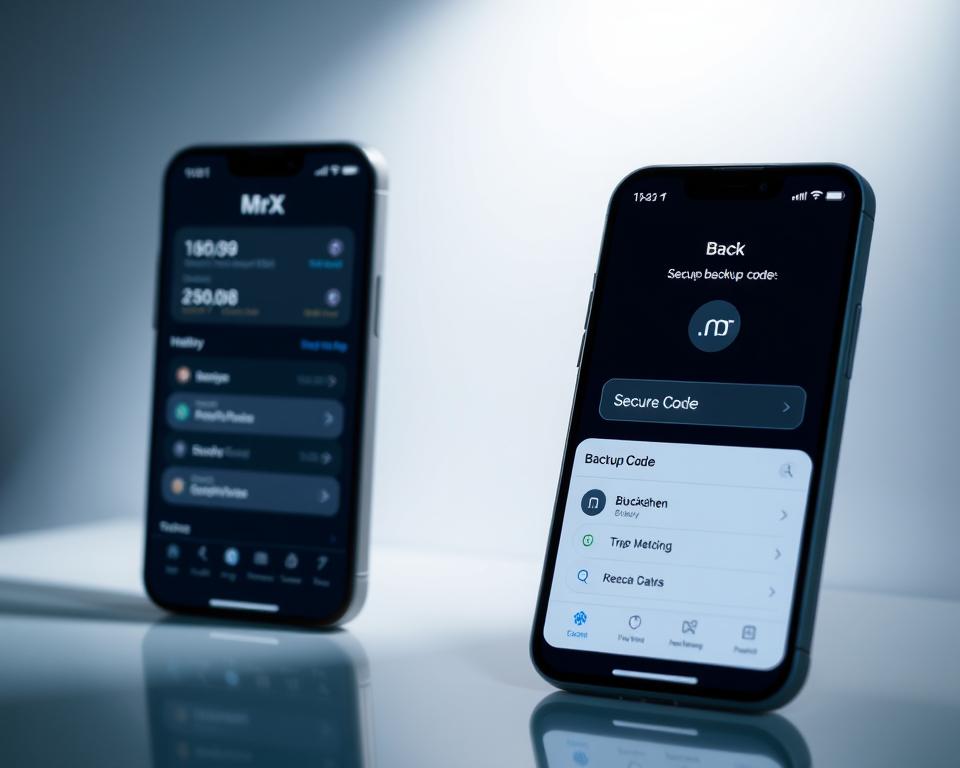
Backing up your cryptocurrency wallet is not optional—it’s a must to avoid losing data. A missed backup can mean losing access to your funds forever. The top-rated crypto wallet app solutions help, but you must take action too.
Importance of Backups
“Without backups, even the strongest encryption can’t save users from human error.”
Many users wait until it’s too late to back up. Seed phrases or recovery phrases, like a 12- or 24-word sequence, are key. Losing these means losing all your crypto. Experts suggest using physical storage like fireproof safes or encrypted USB drives.
Backing Up Your Wallet
Here’s how to keep your data safe:
- Use your top-rated crypto wallet app’s built-in backup tools during setup.
- Write down seed phrases on acid-free paper and store copies in separate secure locations.
- Enable encrypted cloud backups only through verified top-rated crypto wallet app platforms.
Make sure to back up regularly, just like you update your software. Always check your wallet’s documentation for specific backup tips. Never keep backups on the same device as your wallet to avoid losing everything at once.
Transacting with Your Cryptocurrency Wallet
Starting with cryptocurrency transactions means knowing how to send and receive funds safely. Every move depends on blockchain networks. Here, fees and addresses are key. Let’s explore the process and costs.
Sending and Receiving Funds
To send cryptocurrency, just enter the recipient’s wallet address, confirm the amount, and send. Always double-check addresses to avoid mistakes. Receiving funds is easy: share your unique address via copy/paste or QR code.
Transaction Fees
- Network Congestion: When many people use blockchains like Bitcoin or Ethereum, fees go up.
- Fee Structures: Some wallets automatically set fees based on how fast you want your transaction.
- Coin-Specific Rules: Fees change by cryptocurrency; check your wallet’s settings before you send.
“Transaction fees are a trade-off between speed and cost. Monitor network activity to optimize payments.”
Always look at fee estimates before sending. Changing your priority can save money without slowing down your transfer too much.
The Role of Private Keys and Public Keys
Cryptocurrency wallets use private and public keys to work. These tools keep your money safe by letting you access it without sharing secrets. They are key to blockchain security.
“A lost private key means permanent loss of access to your funds.” – Blockchain Security Alliance
What are Private and Public Keys?
A public key is like an email address for sending and getting crypto. Anyone can see it to send you money. But, your private key is a secret code only you should know.
It lets you make transactions by signing them. This shows you own the money without sharing your private key.
Importance of Keeping Keys Secure
- Private keys must never be shared, stored online, or written on unsecured devices.
- Public keys can be safely shared, but misusing them risks exposing patterns to attackers.
Experts say sharing a private key is like giving out your bank account password. If it gets stolen, hackers can take all your money right away. Using hardware wallets like Ledger or Trezor can help keep your keys safe.
Here are some good practices:
- Keep keys offline (cold storage) in encrypted files or on paper.
- Be careful not to fall for phishing scams that try to get your private key.
Not following these tips can lead to big losses. In 2022, over $2 billion in crypto was stolen because of key compromises. This shows how important keeping your keys safe is.
The Future of Cryptocurrency Wallets
Cryptocurrency wallets are changing fast, thanks to new tech and rules. Experts say we can expect big changes in the next ten years.
Trends in Wallet Technology
Wallets will get better at keeping your money safe and easy to use. Here are some big changes coming:
- Multi-party computation (MPC) to split private keys for safer transactions.
- Biometric authentication, like fingerprint or facial recognition, replacing passwords.
- Integration with decentralized finance (DeFi) platforms for easy asset management.
Regulatory Impact on Wallets
New rules are coming to fight fraud and money laundering. A 2023 report by Business Insider shows:
- Mandatory Know-Your-Customer (KYC) checks for big transactions.
- Global standards for wallet rules, like the EU’s Markets in Crypto-Assets (MiCA) regulation.
“Regulators will push wallets to balance privacy and transparency to stay compliant.” – TechCrunch analysis
These changes will make wallets safer and more controlled. This could change how we use digital money.
Common Mistakes to Avoid with Cryptocurrency Wallets
Keeping your digital assets safe means avoiding simple mistakes. Many people lose money because they ignore basic steps. Here are two big mistakes to avoid:
Ignoring Security Protocols
- Not using two-factor authentication (2FA) makes your wallet an easy target for hackers. 2FA is a strong defense against unauthorized access.
- Outdated software is a security risk. Hackers can steal your private keys if your software is old.
- Don’t store private keys on devices that aren’t secure. Keep them safe in encrypted files or hardware wallets.
Not Keeping Backup Informed
Not having backups can lead to permanent loss. Devices can fail or get stolen, and without a backup, you can’t recover your assets. Always store backups in multiple secure locations, like encrypted USB drives or offline storage.
“The Bybit hack cost users $1.5B in Ethereum due to poor security practices.”
Make sure to check and test your backup methods regularly. Don’t save backups on devices connected to the internet.
Conclusion: Choosing the Right Wallet for You
Choosing a cryptocurrency wallet is about finding the right mix of security, ease of use, and compatibility. You have many options, from hot wallets like Coinbase Wallet to cold storage devices. Each has its own benefits. By looking at these factors, you can pick a wallet that fits your crypto goals.
Recap of Key Considerations
Security is key. Wallets like Ledger or Trezor use hardware to keep your crypto safe. Apps like Binance Wallet focus on app-based security. But, some wallets, like Exodus, are easy to use but might not be as secure.
Also, think about the cryptocurrencies the wallet supports. Some wallets only handle Bitcoin and Ethereum, while others support more.
Final Thoughts on Wallet Selection
Future trends and changes in laws will also affect your choice. Look for wallets with two-factor authentication and regular updates. MetaMask is a good example of this.
Read what other users and experts say to avoid mistakes. For example, losing private keys or not backing up your wallet. Hardware wallets are great for long-term storage, beating paper or mobile options.
Your wallet choice shows how much risk you’re willing to take and how you plan to use it. Start with a secure wallet, check the fees, and keep up with new standards. The right wallet keeps your digital assets safe and easy to access.
FAQ
What is a cryptocurrency wallet?
A cryptocurrency wallet is a digital tool. It lets users store, send, and receive cryptocurrencies. It keeps private keys safe, which are key to accessing digital assets.
What is the difference between custodial and non-custodial wallets?
Custodial wallets are managed by third parties. They hold your private keys and control your assets. Non-custodial wallets, on the other hand, give you full control over your keys and funds. They often offer better security.
Why are hot wallets considered less secure?
Hot wallets are connected to the internet. They allow for quick transactions but are more vulnerable to cyber threats. They are less secure than cold wallets.
How can I ensure the security of my cryptocurrency wallet?
To keep your wallet secure, use two-factor authentication (2FA). Also, update your wallet software regularly. And, always keep your private keys private.
What are the best cryptocurrency wallets available in 2023?
In 2023, top wallets include Coinbase Wallet for app integration, Binance Wallet for features, and Exodus Wallet for ease of use.
What factors should I consider when choosing a cryptocurrency wallet?
Look at security features, user experience, supported cryptocurrencies, and the wallet’s reputation. These factors are crucial when picking a wallet.
How do I back up my cryptocurrency wallet?
Back up your wallet data by storing seed phrases or recovery keys safely. This prevents loss of access due to device failure or theft.
What are transaction fees, and how do they affect my wallet?
Transaction fees are charges for processing transactions on the blockchain. They can change based on network congestion. They affect the speed and cost of sending or receiving funds.
Leave a Reply