
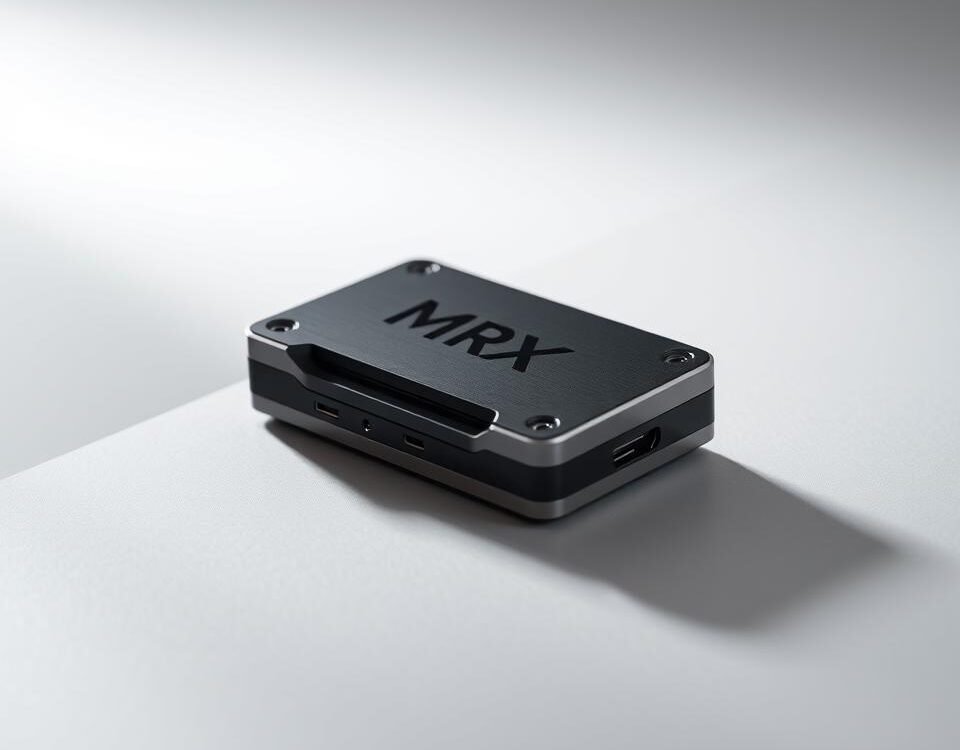
How to Choose the Best Hardware Wallet for Crypto Security
Did you know that over $1 billion in cryptocurrency has been stolen in recent years? Keeping your digital assets safe is crucial. Using a cryptocurrency hardware wallet is a top way to protect your crypto. As the crypto market expands, securing your investments becomes even more important.
Choosing the right hardware wallet requires looking at several important factors. These include security features, how easy it is to use, and if it works with many cryptocurrencies. Knowing what you need helps ensure crypto security, whether you’re new or experienced.
Key Takeaways
- Understand your specific security needs for cryptocurrency.
- Look for a wallet with robust security features.
- Consider the user interface and ease of use.
- Ensure compatibility with your cryptocurrencies.
- Research and compare different wallet options.
Understanding Hardware Wallets
In the world of cryptocurrency, keeping your assets safe is crucial. A hardware wallet is a great way to do this. It’s a physical device that stores your private keys offline, making your cryptocurrencies more secure.
What is a Hardware Wallet?
A hardware wallet is like a safe for your cryptocurrencies. It’s different from software wallets that are online. Hardware wallets keep your private keys offline, protecting them from hackers and cyber thieves.
How Do Hardware Wallets Work?
Hardware wallets create and store private keys inside the device. When you want to make a transaction, you connect the wallet to your computer or phone. The transaction is then signed within the wallet, keeping your private keys safe from online threats.
The process involves:
- Generating private keys within the device
- Storing private keys securely offline
- Signing transactions within the device
Benefits of Using a Hardware Wallet
The main advantage of a secure hardware wallet is its high security. By keeping your private keys offline, you lower the chance of your cryptocurrencies being stolen.
| Security Feature | Description | Benefit |
|---|---|---|
| Offline Storage | Private keys stored offline | Reduced risk of hacking |
| Transaction Signing | Transactions signed within the device | Private keys never exposed online |
| Recovery Seed | Option to backup wallet with a recovery seed | Wallet can be recovered if lost or damaged |
Using a bitcoin hardware wallet or any other cryptocurrency wallet is a smart move. It’s a way to protect your digital assets. With more people using cryptocurrencies, strong security is more important than ever.
Key Features to Look For
Choosing the right hardware wallet is key to keeping your cryptocurrency safe. A good wallet offers strong security, is easy to use, and supports the cryptocurrencies you own.
Security Certifications and Standards
Security certifications are a must when picking a hardware wallet. Look for wallets with high security standards like EAL6+ (Evaluation Assurance Level 6+). This shows the wallet has been thoroughly tested and is well-protected against tampering and attacks.
Examples of Secure Hardware Wallets:
- Trezor Safe3
- Ledger Nano X
These wallets are known for their strong security and are trusted by many in the cryptocurrency community.
User Interface and Experience
The user interface of a hardware wallet is very important. A wallet that is easy to use helps you manage your cryptocurrencies better, even if you’re new. Look for wallets with clear instructions and a simple setup.
A good user experience can greatly reduce the risk of user error, a common weakness in cryptocurrency security.
Supported Cryptocurrencies
The number of cryptocurrencies a wallet supports is also crucial. If you have a diverse portfolio, you’ll want a wallet that can handle many different coins. Some wallets support hundreds of coins and tokens, making them very versatile.
| Hardware Wallet | Supported Cryptocurrencies | Security Certification |
|---|---|---|
| Trezor Safe3 | Over 1,000 cryptocurrencies | EAL6+ |
| Ledger Nano X | Over 5,500 cryptocurrencies | EAL5+ |
When picking a hardware wallet, think about these key features. They help ensure your cryptocurrency is safe and easy to manage.
Types of Hardware Wallets
Hardware wallets come in many types, each designed to meet different needs. As more people use cryptocurrencies, new types of wallets have appeared. They cater to various user preferences.
USB-based Hardware Wallets
USB-based wallets are very common. They offer a simple and secure way to store digital currencies. Devices like the Ledger Nano S and Trezor One plug into a computer via USB. They keep your money safe from hackers. These wallets are great for those who value security and manage their own private keys.
Bluetooth-enabled Hardware Wallets
Bluetooth-enabled wallets, like the Ledger Nano X, make managing your money easier. They connect to mobile devices via Bluetooth. This makes it simple to make transactions on the go. They’re perfect for people who need to access their funds often.
Multi-signature Wallets
Multi-signature wallets, like the Cypherock X1, add extra security. They need more than one signature to approve a transaction. This is good for both individuals and businesses. They’re ideal for managing shared funds or for companies needing multiple approvals.
In summary, choosing a hardware wallet depends on what you need. You might want more security, convenience, or both. Knowing about the different types helps you pick the right one for your cryptocurrency needs.
Compatibility with Software Wallets
A hardware wallet’s ability to work with different software wallets is key for easy cryptocurrency management. This makes it easy to manage assets on various platforms. It boosts flexibility and convenience.
Integrating with Mobile Wallets
Many people like to manage their cryptocurrencies on their phones using mobile wallets. The best hardware wallets work well with popular mobile wallets. This makes transactions smooth and secure. When picking a hardware wallet, check if it works with your mobile wallet app for easy use.
- Check if the hardware wallet supports your preferred mobile wallet app.
- Ensure the mobile wallet is compatible with your mobile device’s operating system.
- Look for hardware wallets that offer robust security features when integrated with mobile wallets.
Desktop Wallet Compatibility
For those who manage their cryptocurrencies on a computer, compatibility with desktop wallets is crucial. A hardware wallet that works with desktop wallets offers a full solution for managing digital assets. This is important for users who like the bigger screen and more features of desktop wallets.
- Verify that the hardware wallet is compatible with your preferred desktop wallet software.
- Consider the user interface and experience offered by the desktop wallet.
- Check for any additional security measures required for desktop wallet compatibility.
By making sure your hardware wallet works with both mobile and desktop software wallets, you get a more flexible and convenient way to manage your cryptocurrencies.
Price Range and Value
Hardware wallets come in different prices, showing their security, build, and brand. When picking a best hardware wallet, think about what you’re getting for your money.
The market has many choices, from budget hardware wallets to premium hardware wallets. For those on a budget, the Trezor Safe3 at $79 is a great deal. On the other hand, the Ledger Stax at $399 offers advanced features and a sleek design.
Budget Options vs. Premium Models
Budget hardware wallets are perfect for beginners or those with small portfolios. They have basic security at a low price. For example, the Trezor Safe3 supports many cryptocurrencies and has strong security in a small package.
Premium hardware wallets, like the Ledger Stax, have more features. They include big displays, Bluetooth, and top-notch security. The Ledger Stax has a high-resolution touch screen and supports many cryptocurrencies, making it great for serious investors.
Cost vs. Features Comparison
When looking at hardware wallets, compare the price to the features. A budget hardware wallet might not have all the bells and whistles but still keeps your crypto safe. On the other hand, a premium hardware wallet will have advanced encryption, more storage, and maybe even mobile connectivity.
- Budget options (e.g., Trezor Safe3): Basic security features, compact design, lower cost.
- Premium options (e.g., Ledger Stax): Advanced security features, larger displays, higher cost.
The right hardware wallet for you depends on your needs and budget. By looking at each option’s features and value, you can choose wisely. This way, you get the best balance of cost and security.
Security Measures
In the world of cryptocurrency, keeping your hardware wallet safe is key. Good hardware wallets have strong security features. These features help protect your digital money.
Private Key Management
Managing your private keys well is very important. Private keys are kept in your hardware wallet. This keeps them away from the internet, where they could be at risk.
Some wallets use elliptic curve cryptography to keep your keys safe. This method is known for being very secure and efficient.
Two-factor Authentication (2FA)
Two-factor authentication adds an extra layer of protection. It asks for a second way to verify who you are. This makes it harder for someone else to get into your wallet.
“Using 2FA can significantly reduce the risk of unauthorized access to your cryptocurrency accounts,” according to a cybersecurity expert.
How 2FA works can differ between wallets. Some use your fingerprint as the second factor.
Recovery Seeds and Backups
Having a good recovery seed process is crucial. It helps you get back into your wallet if it’s lost or damaged. Recovery seeds are a set of words that can restore your wallet.
| Feature | Description | Importance |
|---|---|---|
| Private Key Management | Secure generation and storage of private keys | High |
| Two-factor Authentication | Additional layer of security requiring a second form of verification | High |
| Recovery Seeds and Backups | Method for restoring access to funds in case of wallet loss or damage | High |
It’s important to keep your recovery seed safe. Store it in a safe or a secure app to avoid unauthorized access.
Understanding and using these security features can greatly improve your wallet’s protection. Good private key management, two-factor authentication, and safe recovery seed storage are all key to keeping your digital assets safe.
Brand Reputation and Reviews
A hardware wallet’s brand reputation shows its security and how happy users are. It’s key to look at the brand’s reputation and what others say.
Established Hardware Wallet Brands
Brands like Ledger and Trezor are top in the market. They are known for being secure and making users happy.
These brands have a solid history of making reliable and safe wallets. They focus on security, user experience, and talking to their community.
Community Feedback and Testimonials
What people say about hardware wallets is very helpful. Users share their good and bad experiences with different brands.
Good feedback from the community shows a brand’s strong reputation. It shows what users think and helps others choose. When picking a wallet, look at what others say to find a good brand.
Looking at both the reputation of well-known brands and what users say helps you choose the right wallet. This ensures you get one that’s safe and meets your needs.
Regulatory Compliance
The rules for hardware wallets are changing fast. This means providers must focus on following these rules to keep users safe and build trust. As laws evolve worldwide, it’s key for hardware wallets to follow them to stay legitimate and work well.
Understanding Cryptocurrency Regulations
Rules for cryptocurrencies differ a lot from place to place. This makes it hard for wallet makers to keep up. These rules often deal with things like stopping money laundering, knowing who your customers are, and keeping crypto safe.
In the U.S., the Financial Crimes Enforcement Network (FinCEN) says some crypto businesses must register and follow certain rules. In Europe, the Fifth Anti-Money Laundering Directive (AMLD5) makes crypto rules stricter.
“The regulatory environment for cryptocurrencies is becoming increasingly stringent. Hardware wallet providers must stay ahead of these regulations to ensure compliance and maintain user trust.”
Importance of Compliance in Security
Following the rules helps hardware wallets work legally and be more secure. By sticking to these rules, wallet makers can add strong security features. This helps protect users from dangers.
| Regulatory Aspect | Impact on Security |
|---|---|
| AML/KYC Compliance | Reduces risk of illicit transactions |
| Secure Storage Requirements | Enhances protection against theft |
| Data Protection Regulations | Safeguards user information |
By making compliance a top priority, wallet providers can create a safe and reliable space for users. This not only keeps users safe but also helps the whole crypto market look more legitimate.
Firmware Updates and Support
Keeping hardware wallets secure means regular firmware updates. These updates fix bugs, improve how they work, and add new features.
Importance of Regular Updates
Updates are key to keeping wallets safe. They add new security features and fix old ones. Here’s why updates are important:
- Enhanced Security: Updates patch up known security holes, making wallets safer.
- Improved Performance: Updates make wallets work better and faster.
- New Features: Updates can add cool new things to make using the wallet easier.
Customer Support Availability
Good customer support is just as important as updates. It helps users fix problems fast. Look for:
- Multiple Support Channels: Options like email, phone, and chat make getting help easier.
- Responsive Support Team: A quick team means less waiting and more using your wallet.
- Comprehensive Resources: Guides and FAQs help users solve problems on their own.
Choose a wallet that updates often and has great support. This keeps your wallet safe and working well.
Setting Up Your Hardware Wallet
To keep your digital assets safe, setting up your hardware wallet right is key. This process includes important steps to guard your cryptocurrencies from unauthorized access.
Step-by-step Setup Guidelines
Setting up a hardware wallet means a few main steps. You’ll need to initialize the device, set a PIN, and create a recovery seed. Here’s how to do it:
- Initializing the Device: Start by following the maker’s guide to turn on your wallet. This often means linking it to a computer or phone.
- Setting Up a PIN: Make a strong PIN to lock your wallet. Pick something hard to guess.
- Generating a Recovery Seed: Your wallet will give you a recovery seed. This seed is key to getting back your assets if your wallet gets lost or broken. Write it down and keep it safe.

Common Setup Issues and Solutions
While setting up, you might run into some common problems. Knowing these issues and how to fix them can make the setup smoother.
- Incorrect PIN Entry: If you type your PIN wrong too many times, your wallet might lock. Check the maker’s guide to reset or get back in.
- Recovery Seed Loss: Losing your recovery seed means you could lose access to your crypto. Always keep your seed in a safe, offline spot.
- Device Connectivity Issues: If your wallet won’t connect to your device, check the cable. Or make sure it’s paired correctly via Bluetooth.
By following these steps and knowing how to handle common problems, you can safely set up your wallet. This will help protect your crypto investments.
Storing and Managing Your Cryptocurrencies
The cryptocurrency market is always changing. It’s vital to keep your digital assets safe and well-managed. This means more than just storing them; it’s about protecting your investments fully.
Best Practices for Asset Management
To manage your cryptocurrencies well, follow best practices for asset management. Update your security often, use strong passwords, and keep your hardware wallet’s firmware current. These steps can greatly lower the risk of losing your assets.
It’s also key to keep your recovery seeds and private keys safe. Never share these with anyone. Use extra security like a safe or a secure spot to store these important pieces of information.
Strategies for Diversification
Diversification is crucial for managing your cryptocurrency portfolio. Spread your investments across different cryptocurrencies to reduce risk. This way, a drop in one cryptocurrency won’t hurt your whole investment too much.
- Check your current portfolio to find areas for diversification.
- Look into different cryptocurrencies to understand their risks and potential.
- Think about getting advice from a financial advisor to create a diversification plan that fits your goals.
By using these strategies and best practices, you can make your cryptocurrency investments safer and more promising.
Recovery and Importing Wallets
Knowing how to recover and import your wallet is key to keeping your digital assets safe. It’s important to have a solid recovery plan. Also, knowing how to move your wallet to another device is crucial.
Creating a Recovery Plan
A good recovery plan helps you get back into your cryptocurrency if your wallet is lost or damaged. The first step is to learn about a recovery seed. This is a set of words that lets you restore your wallet and access your money.
To make a recovery plan:
- Follow the maker’s guide for making and keeping your recovery seed safe.
- Keep your recovery seed somewhere safe and offline to avoid unauthorized access.
- Make sure you know how to use your recovery seed to get back into your wallet.
Experts say, “Having a recovery seed is like having a backup key to your funds; it’s crucial for regaining access when you need it most.”
“The security of your recovery seed is paramount. Losing it or having it compromised can lead to significant financial risks.”
Importing to Another Wallet
It’s important to know how to move your wallet to another device. This usually means using your recovery seed to set up your wallet on a new device.
| Step | Description |
|---|---|
| 1 | Open your wallet software on the new device and select the option to restore or import a wallet. |
| 2 | Enter your recovery seed when prompted, ensuring that you input the words in the correct order. |
| 3 | Follow the on-screen instructions to complete the restoration process. |
Also, think about if your wallet works with different devices and platforms. Some wallets are better at moving and importing than others.
By learning how to make a recovery plan and import your wallet, you can make your cryptocurrency safer and easier to access.
Maximizing Security Practices
Keeping your cryptocurrencies safe needs a mix of steps. A hardware wallet is a key part, but it’s not enough.
Think about using additional security tools too. A multi-signature wallet, for example, needs more than one person to approve a transaction. This makes it harder for hackers to get in.
Additional Security Tools
More tools can make your crypto safer. Some tools include:
- Two-factor authentication (2FA)
- Multi-signature wallets
- Encryption software
Two-factor authentication adds security. It asks for a password and another verification, like a code to your phone.
Everyday Security Habits
Good everyday security habits are just as important. Keep your wallet’s firmware up to date for the latest security. Also, be careful with emails that might trick you into giving away your crypto info.
| Security Habit | Benefit |
|---|---|
| Regular Firmware Updates | Ensures latest security patches |
| Phishing Caution | Protects against fraudulent activities |
| Strong Passwords | Prevents unauthorized access |
Using these tools and habits together can really help keep your cryptocurrencies safe.
Choosing Between Different Wallets
It’s important to know the differences between hardware wallets. There are many options, so it’s crucial to look at their features and security.
Comparing Popular Hardware Wallets
Many hardware wallets are well-liked in the crypto world. Ledger Nano X and Trezor Model T stand out. They offer top-notch security and are easy to use.
| Wallet Model | Security Features | Supported Cryptocurrencies | User Interface |
|---|---|---|---|
| Ledger Nano X | Bluetooth connectivity, Secure Element chip | Over 1,500 cryptocurrencies | User-friendly, mobile app integration |
| Trezor Model T | Touchscreen, Shamir Backup | Over 1,000 cryptocurrencies | Intuitive touchscreen interface |
| KeepKey | Large display, integrated shape shift | Multiple cryptocurrencies | Simple, easy-to-use interface |
When comparing hardware wallets, think about the cryptocurrencies you own. Also, consider how much security you need.
Personal Considerations
Personal considerations are key when picking a hardware wallet. Think about how easy it is to use, if it works with your devices, and the customer support.
- Check if the wallet meets your security needs.
- Make sure it supports the cryptocurrencies you own.
- Look at the user interface to see if it’s easy to use.
By considering these points and comparing wallets, you can find the best hardware wallet for you.
Long-term Storage Solutions
Investors looking to keep their cryptocurrency safe for a long time need to know about storage options. The right choice can affect how secure and easy to access your assets are.
Cold Storage vs. Hot Wallets
Cold storage and hot wallets are two ways to store cryptocurrencies. Cold storage keeps assets offline, reducing hacking and theft risks. Hot wallets, connected to the internet, are quicker for transactions but riskier.
Cold storage, like hardware wallets, is best for long-term safety. They keep private keys offline, safe from online threats. Hot wallets are better for quick, everyday trades.
| Storage Type | Security Level | Convenience |
|---|---|---|
| Cold Storage | High | Low |
| Hot Wallets | Low | High |
When to Use a Hardware Wallet
A hardware wallet is a cold storage option great for long-term storage. It’s a physical device that keeps private keys offline, making it very secure. Choose a hardware wallet for long-term security and peace of mind.
“Hardware wallets offer a robust solution for securing cryptocurrency holdings over the long term, providing a balance between security and accessibility.”
Investors should pick a hardware wallet for long-term storage of large amounts. These wallets have top-notch security, like encryption and chip technology, to protect against theft.

In conclusion, for long-term storage, cold storage like hardware wallets is the best choice. Knowing the difference between cold and hot wallets helps investors make smart storage decisions.
Future Trends in Hardware Wallets
Innovations in hardware wallet development are changing the game for crypto security. As tech gets better, we’ll see many new trends. These will shape the future of the industry.
Innovations in Crypto Security
Hardware wallets will soon have better security features. Think advanced biometric authentication and new encryption methods. These updates will make users feel safer when keeping their digital assets.
Enhanced Security Measures: Future wallets might have more security features, like:
- Multi-factor authentication
- Advanced encryption algorithms
- Regular security audits
Predictions for Hardware Wallet Development
As cryptocurrencies grow, wallet makers must keep up. They’ll need to adapt to new trends and tech. Some possible updates include:
| Feature | Current State | Future Development |
|---|---|---|
| Biometric Authentication | Limited adoption | Widespread integration |
| Cryptocurrency Support | Support for major cryptocurrencies | Expanded support for emerging cryptocurrencies |
| User Interface | Varies by manufacturer | More intuitive and user-friendly designs |
The future of hardware wallets is exciting and rapidly evolving. With new tech, we’ll see big steps forward in crypto security.
Conclusion: Making the Final Decision
Choosing the right hardware wallet is key to keeping your cryptocurrency safe. Think about a few important things to make a smart choice that fits your needs.
Key Considerations
Look for strong security, an easy-to-use interface, and support for many cryptocurrencies. These features help keep your digital assets safe and easy to handle.
Ensuring Long-term Security
Keeping up with new hardware wallet tech and best practices is crucial. This way, you can safeguard your investments and keep your cryptocurrencies safe.
In short, picking the right hardware wallet takes careful thought. By knowing what matters and following the right steps, you can keep your cryptocurrency safe for the long haul.
FAQ
What is a hardware wallet and how does it work?
A hardware wallet is a physical device that keeps your private keys safe offline. It’s a secure way to store cryptocurrencies. It works by storing private keys in the device, so you can check transactions without sharing your keys online.
What are the key features to look for in a hardware wallet?
Look for security certifications like EAL6+, an easy-to-use interface, and support for many cryptocurrencies. Important features include managing private keys, two-factor authentication, and a good recovery seed process.
What types of hardware wallets are available?
There are USB-based, Bluetooth-enabled, and multi-signature wallets. USB wallets are common, while Bluetooth offers convenience. Multi-signature wallets, like Cypherock X1, need more signatures for transactions, adding security.
How do I choose the best hardware wallet for my needs?
Think about what you need, like the cryptocurrencies you hold and the security level. Compare wallets based on their features, price, and reputation to find the best one for you.
What is the importance of firmware updates for hardware wallets?
Firmware updates keep your wallet secure and working well. Regular updates show a manufacturer’s commitment to security. They fix bugs, improve performance, and add new features.
How do I set up my hardware wallet?
Setting up your wallet needs careful attention. Follow the manufacturer’s instructions to set a PIN, generate a recovery seed, and configure. Knowing common setup issues can help avoid problems.
What are the best practices for managing cryptocurrencies on a hardware wallet?
Use diversification to manage risk. Regularly update your firmware and be careful of phishing. Also, use two-factor authentication for extra security.
How do I recover my cryptocurrency if I lose my hardware wallet?
A recovery plan is key for accessing your funds. Create and store recovery seeds carefully. Knowing how to import a wallet to another device is also crucial.
What is the difference between cold storage and hot wallets?
Cold storage, like hardware wallets, is best for long-term storage. It keeps assets offline for security. Hot wallets, connected to the internet, are better for frequent transactions.
What are the future trends in hardware wallets?
Hardware wallets will likely see new features and improvements. Expect better security, user interfaces, and compatibility with new cryptocurrencies and blockchain apps.
Leave a Reply