
Master Crypto Apps: A Comprehensive Guide for Users
Crypto apps are changing how we deal with digital money. They mix advanced blockchain tech with everyday tools. Now, users can buy, sell, and track cryptocurrencies like Bitcoin or Ethereum easily.
These apps connect users to global markets. They offer secure wallets and updates on prices in real-time. Whether you’re new to investing or a seasoned trader, these apps make it easy to get into decentralized finance without needing to know a lot of tech.
Key Takeaways
- Crypto apps simplify cryptocurrency management through user-friendly interfaces.
- They offer secure storage and real-time market insights for informed decisions.
- Popular platforms like Coinbase and Binance dominate the crypto app ecosystem.
- These tools bridge blockchain technology with mainstream financial practices.
- Understanding crypto apps is key to navigating today’s digital asset landscape.
What Are Crypto Apps?
Cryptocurrency apps are digital tools that make it easy to use blockchain networks. They let users buy, sell, store, and track cryptocurrencies like Bitcoin or Ethereum. These apps are like easy doors to decentralized finance, making transactions simple for everyone.
Definition and Overview
Cryptocurrency apps connect users to blockchain technology in a simple way. They handle tasks like storing private keys and tracking price changes. Many also have security features like two-factor authentication and encryption to keep assets safe.
Types of Crypto Apps
- Exchange Apps: Platforms like Coinbase and Binance let you buy and sell crypto with fiat or other digital currencies.
- Wallet Apps: Secure storage solutions such as MetaMask or Trust Wallet manage private keys and transaction approvals.
- DeFi Platforms: Offer decentralized finance services like yield farming and peer-to peer loans without traditional banking.
- Staking Apps: Allow users to earn rewards by holding specific coins on networks like Ethereum or Solana.
Benefits of Using Crypto Apps
Digital currency apps change how we deal with cryptocurrencies. They make it easier and give more control over our money. These apps make complex blockchain tech easy to use for everyone.
Accessibility and Convenience
All you need is an internet connection to use digital currency apps. You can buy, sell, or move money anytime, anywhere. Apps like Coinbase and Binance make switching between currencies quick.
They also support many languages and have low fees. This makes trading around the world easy.
- 24/7 access to buy/sell crypto
- Multi-currency wallets for diverse holdings
- Mobile optimization for on-the-go management
“Crypto apps turned managing my Bitcoin into something as easy as checking emails.” – Sarah T., crypto app user
Real-Time Monitoring
Top apps show live market data. This lets users see price changes and trends right away. They also send alerts for the best times to buy or sell.
| Feature | Coinbase | Binance | Kraken |
|---|---|---|---|
| Live Price Charts | ✓ | ✓ | ✓ |
| Custom Alerts | ✓ | ✓ | ✓ |
| Historical Data | ✓ | ✓ | ✓ |
These tools help users make smart choices. They don’t need to rely on others. Even new users can keep track of their money with simple dashboards.
Choosing the Right Crypto App
Choosing a crypto app requires careful thought. Look for safety and ease of use. Key factors include security, design, and the variety of cryptocurrencies.
Security Features
Top apps focus on strong security. They use two-factor authentication (2FA) and cold storage. Coinbase keeps most funds offline, making them safer. Kraken adds 2FA and third-party audits for extra security. Many also offer insurance against hacks.
- Two-factor authentication (2FA) for access control
- Cold storage for most blockchain wallet funds
- Regular security audits and insurance
“Kraken’s security audits and biometric verification set industry standards for blockchain wallet protection.”
User Interface and Experience
Apps like Coinbase and Kraken make crypto easy to manage. They have clear dashboards and tutorials. This makes it simple for beginners and keeps advanced tools for traders.
Supported Cryptocurrencies
Platforms like Binance and Kraken offer hundreds of cryptocurrencies. This lets you diversify your investments. Make sure the app supports your favorite cryptocurrencies and uses trusted storage solutions.
Hardware wallets, like Ledger Nano X, are great for secure storage. They use offline storage and recovery seed phrases. Always check if the app supports your preferred currencies and uses trusted storage solutions.
Top Crypto Apps in the Market
Choosing the best crypto exchange platform depends on what you need. This includes security and how easy it is to use. Here are four top apps that stand out:
Coinbase
For beginners, Coinbase is a great choice. It has a simple interface and wallets that are insured by the FDIC. The mobile app makes it easy to buy and sell Bitcoin, Ethereum, and more.
A user said,
“Coinbase’s crypto exchange platform made my first trade stress-free.”
It works in 32+ countries and connects well with popular devices.
Binance
Binance is great for advanced traders. It offers over 100 cryptocurrencies and has low fees. It also has features like margin trading and staking for both new and experienced users.
It’s available in 180+ countries, but US users have limited access.
Kraken
Kraken is all about security and being open. It has advanced tools like charts and APIs, perfect for big users. It supports 200+ assets and has strong security with multi-factor authentication.
BlockFi
BlockFi is unique because it lets you earn interest on your crypto. It also offers borrowing against your assets. It’s available in most US states and is known for being easy to use.
Look at what other users say and compare features. This will help you choose the crypto exchange platform that fits your needs.
How to Set Up a Crypto App Account
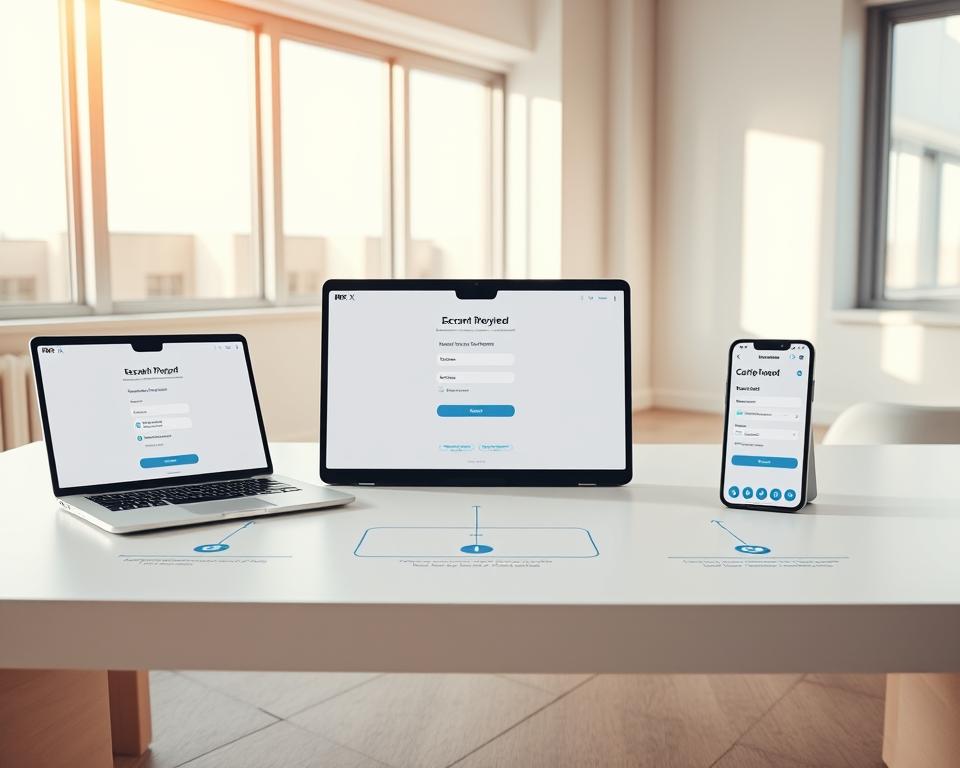
Setting up an account on decentralized finance apps is a step-by-step process. It’s important to do it right for safety and to follow the rules. Here’s a guide to help you through registration, verification, and keeping your account secure.
Registration Process
To start, you need to give basic information like your email, password, and where you live. Most apps make it easy with clear instructions at each step.
- Choose a strong username and password.
- Check your email by clicking on a link sent to you.
- Turn on two-factor authentication right away.
KYC and Verification
Know Your Customer (KYC) checks are a must to use all the platform’s features. You’ll need to give:
- Your full legal name, birthdate, and address.
- A government ID like a passport or driver’s license.
- Biometric data like a facial scan or fingerprint for extra proof.
“KYC ensures regulatory compliance and protects users from fraudulent activities.”
Security Measures
To keep your account safe, follow these steps:
- Turn on two-factor authentication as soon as you can.
- Use biometric verification for logging in.
- Change your password often and watch your account for any unusual activity.
| Security Step | Description |
|---|---|
| Data Encryption | Keeps your personal and transaction data safe from hackers. |
| Regular Audits | Places like Binance and Coinbase check for weaknesses with third-party audits. |
Wallet Types in Crypto Apps
Choosing the right wallet type is key to keeping your digital assets safe. A token management app helps by showing you the difference between hot and cold storage. Each has its own balance of ease and safety.
Hot Wallets
Hot wallets are online tools that stay connected to the internet, like those in Coinbase or Binance apps. They let you trade quickly but are more vulnerable to hackers. Key features include:
- Easy access for daily trading
- Integrated with most crypto apps
- Suitable for small balances
Cold Wallets
Cold wallets, like Ledger or Trezor devices, keep your keys offline. They offer better security but need you to handle them physically. Benefits include:
- Stronger security against cyberattacks
- Best for long-term holdings
- No internet dependency
“Cold storage is the gold standard for securing large crypto investments,” advises the Financial Times crypto security guide.
A token management app helps you choose wisely. For example, use a hot wallet for daily trades and cold storage for big holdings. Always add extra security with two-factor authentication and keep backups.
Buying and Selling Crypto via Apps
When you manage crypto through apps, it’s important to know the steps and costs. Start by picking trusted platforms like Coinbase or Binance. Then, follow these steps:
Step-by-Step Guide
- Choose a reputable exchange app, such as Coinbase or Kraken.
- Create an account by submitting personal details and verifying your identity.
- Fund your account via bank transfer or card payment.
- Select the cryptocurrency to buy or sell and confirm the amount.
- Transfer assets to a personal wallet for added security if needed.
Fees and Charges
Transaction fees keep blockchain networks running smoothly. They reward validators and stop spam. Fees are affected by:
- Network congestion during peak activity
- Transaction complexity, like smart contracts
- Blockchain limits on transaction capacity
For example, Bitcoin’s average fee in March 2021 was $6.956. To cut costs:
- Transact during off-peak hours
- Use layer-2 solutions like Lightning Network
- Track fees with a crypto portfolio tracker to optimize spending
A crypto portfolio tracker helps keep an eye on fees and balances. It offers real-time updates. Tools like CoinMarketCap or Blockfolio make managing transactions easier. Stay updated on network changes, like Ethereum’s EIP-1559, to predict fee shifts.
Storing Your Cryptocurrency Safely
Keeping your digital assets safe starts with a secure crypto wallet app. It protects against theft and loss. Here are key steps to keep your assets safe and easy to access.
Backup and Recovery Options
A secure crypto wallet app often has backup tools like seed phrases or recovery keys. Follow these steps:
- Store seed phrases in a waterproof, offline safe or a dedicated hardware wallet like Ledger or Trezor.
- Enable two-factor authentication (2FA) on all accounts linked to your wallet.
- Regularly test recovery processes using the app’s built-in tools.
| Backup Method | Security | Accessibility |
|---|---|---|
| Hardware Wallet | High | Medium |
| Seed Phrase | Medium | High |
| Cloud Storage | Low | High |
Best Practices
- Never share recovery codes with anyone.
- Update your secure crypto wallet app regularly for the latest security patches.
- Use separate wallets for daily trading and long-term holdings.
“A backup is only as good as its execution.” – Blockchain Security Guide
Regular audits and encrypted storage solutions reduce risks. Choose apps with end-to-end encryption and cold storage. This minimizes cyber threats.
Understanding Crypto Transactions
Every crypto transaction on a blockchain follows a structured process. This ensures security and transparency. These blockchain transactions involve steps and variables that affect speed and cost. Here’s a breakdown of how they operate and what drives fee structures.
How Transactions Work
- Sender initiates transfer: Users input recipient details and approve the transfer using their private key.
- Network validation: Miners or validators confirm the transaction’s authenticity through consensus algorithms like Proof of Work or Proof of Stake.
- Block addition: Valid transactions are grouped into a block and added to the blockchain ledger.
- Confirmation: Once added, the transaction is irreversible and recorded permanently.
Transaction Fees
Transaction fees vary based on network conditions and user choices. Here’s what influences them:
| Factor | Description | Impact |
|---|---|---|
| Network congestion | Higher demand for processing increases competition. | Rises fees. |
| Block size limits | Smaller blocks prioritize higher-fee transactions. | Users pay more for inclusion. |
| Priority selection | Users can choose faster processing by paying premium fees. | Speed increases with higher costs. |
“Transaction fees ensure network efficiency by rewarding validators while balancing speed and cost.”
Apps like Binance and Coinbase display real-time fee estimates. This helps users optimize costs. Monitoring these factors helps users avoid overpaying or delays.
Trading Strategies Using Crypto Apps
To succeed in crypto trading, it’s key to know how to use app tools. There are two main strategies: day trading and HODLing. Each fits different goals and risk levels.
Day Trading vs. HODLing
Day trading means buying and selling in hours to make money from price changes. Apps like Binance have real-time charts and fast trades, perfect for those who like action. The good side is quick profits. The bad side is high stress and costs.
HODLing is the opposite, a long-term hold strategy. Investors ignore short-term ups and downs, focusing on growth over time. Apps like Coinbase make holding easy with secure wallets and alerts.
- Day Trading: Best for market volatility chasers
- HODLing: Suited for patient, risk-averse users

Utilizing Market Trends
Good trading comes from knowing trends. Apps like Kraken show historical data and trends. For example, if volume goes up with price, it’s a good sign. But, if prices keep falling, it might be a bad time.
Tools like Binance’s alerts tell you when trends change. Add news updates—like new laws or tech breakthroughs—to the mix. Always use app data with outside research for smart choices.
Managing Your Crypto Portfolio
Managing your crypto investments means taking steps to make more money and lower risks. It’s important to check and adjust your portfolio often. This keeps it in line with the market’s changes.
“Diversification is the foundation of resilient crypto portfolios, shielding investments from sudden downturns.”
Diversification and Allocation
Spread your investments across different coins to not put all your eggs in one basket. Here’s how:
- Put some money in Bitcoin, Ethereum, and other altcoins.
- Keep 10-20% in stablecoins like USDT for stability.
- Adjust your investments every quarter to match market trends and your goals.
Tools for Portfolio Tracking
Use platforms like CoinMarketCap or Blockfolio to track your investments. They offer:
- Real-time price updates and market cap data.
- Customizable watchlists and price alerts.
- Visual charts to see how your investments are growing.
Using these tools regularly helps spot which investments are not doing well. It also shows where you can put more money. Always mix tracking with rebalancing for long-term success.
Advanced Features of Crypto Apps
Crypto apps have more than just buying and selling. They offer margin trading and staking to increase earnings. But, these need careful planning.
Margins trading lets you borrow to trade more. Binance, for example, allows up to 125x leverage. This can greatly increase profits but also risks losing more than you started with. Always check the app’s rules and fees.
- Margin trading: Requires verified accounts on platforms like Kraken
- Risk management tools to set stop-loss limits
Staking means holding coins to help the blockchain. Apps like Coinbase Wallet make it easy. You can earn 4% to 15% a year with Ethereum 2.0 or Solana. The return depends on how much you stake and the network’s activity.
“Staking turns holding into earning—but users must research coin volatility and app-specific terms.”
It’s smart to compare what different apps offer. Binance has staking for over 20 assets, while BlockFi offers interest accounts. Always look at the terms for how long you’ll need to keep your money locked up and how you can get it back. These features need some knowledge. Start small to test your strategies safely.
Regulatory Compliance and Crypto Apps
Today, crypto apps must follow laws to operate. Not following these rules can cause legal problems for both users and platforms.
Regulatory frameworks protect both users and the integrity of digital asset markets.
Importance of Compliance
Following rules helps avoid fraud and hacking. When apps stick to anti-money laundering (AML) laws, users trust them more. Here’s why compliance is crucial:
- Legal protection for users and businesses
- Prevents penalties and shutdowns
- Builds user confidence in platforms
Current Regulations in the U.S.
In the U.S., strict rules are enforced. Key rules include:
- SEC oversight for crypto assets seen as securities
- FinCEN’s AML rules for tracking transactions
- NYDFS licensing for services in New York
2023 brought new rules for crypto exchanges. They must now report big transactions. Not following these rules can lead to fines or bans.
Future Trends in Crypto Apps
Crypto apps are changing fast. They’re getting closer to traditional finance and moving towards decentralized systems. These changes aim to make crypto easier to use every day.
Integration with Financial Services
Big names like JPMorgan Chase and Visa are teaming up with crypto apps. Soon, you’ll see crypto-backed loans and easy bank-to-crypto transfers. For example, PayPal now lets you buy crypto directly.
Decentralized Finance (DeFi)
Platforms like Uniswap and Aave are making transactions without banks. You can lend, borrow, or trade crypto using smart contracts. By 2025, DeFi could handle over $1 trillion in transactions, offering better returns than traditional savings.
Keep an eye on these trends. Apps with DeFi features or banking partnerships will likely become more popular. Stay updated to make the most of these advancements.
Conclusion: Maximizing Your Experience with Crypto Apps
Choosing the right crypto app is key. Look for security, ease of use, and real-time data. Apps like Coinbase and Binance are top choices. They offer strong security and easy-to-use tools.
Make sure your app has 2FA, cold storage, and low fees. This keeps your digital assets safe and efficient.
Recap of Key Points
Top apps have cool features like advanced charts and easy trading. But, security is the most important. Look for audits, biometric login, and cold storage for safe long-term storage.
Learning from your app is also crucial. It helps you understand market ups and downs and new trends like DeFi.
Encouragement to Engage Responsibly
Stay current with U.S. laws and market changes to avoid risks. Diversify your portfolio and use tools like price alerts. Always check if an app follows standards and is clear about fees.
Keep learning from your app. This way, you make smart choices in a fast-changing world.
FAQ
What are crypto apps used for?
Crypto apps help manage digital currencies and assets. They let users buy, sell, and store their digital money safely. These apps also offer features like tracking market trends and using DeFi services.
How do I choose the right crypto app?
Look for security features like encryption and two-factor authentication. The app’s design should be easy to use. Check user reviews and try out the app to see if it meets your needs.
Are crypto apps secure for managing my assets?
Many crypto apps use strong security measures. But, it’s important to use strong passwords and two-factor authentication. Storing large amounts in a secure wallet app is also key.
What types of cryptocurrency apps are available?
There are many types of apps. Trading apps like Coinbase and Binance let you buy and sell. Wallet apps store your digital assets. Portfolio trackers help manage investments. DeFi apps offer unique features like liquidity provision.
How can I ensure the safety of my cryptocurrencies stored in apps?
Back up your wallets often and use cold storage for big amounts. Enable security features and update your app regularly. Be careful of phishing and scams to protect your assets.
What is the process for buying cryptocurrencies using apps?
First, set up an account and complete KYC verification. Then, deposit funds and choose what to buy. Each app has different fees, so check them before you start.
Why is it important to understand crypto transactions?
Knowing how transactions work is key. It helps you understand fees and how fast transactions are. This knowledge helps you make better trading decisions.
What are advanced features offered by some crypto apps?
Some apps offer margin trading and staking. These features can increase your returns but come with risks. It’s important to understand these risks before using them.
How do I manage my crypto portfolio effectively?
Diversify your investments and regularly review your portfolio. Use portfolio tracker apps for updates. Stay informed about market trends to make smart choices.
What trends are expected in the future of crypto apps?
Expect more integration with traditional finance and growth in DeFi. Security will also improve. These changes will bring new features and better user experiences.
Leave a Reply