

Secure Your Crypto with a Cold Wallet: A Step-by-Step Guide
The world of cryptocurrency is changing fast, but so are the dangers it faces. Recent statistics show that cryptocurrency theft has resulted in losses of over $1 billion in the last few years. This shows how important it is to have strong security.
Using a cold storage solution is a great way to protect your digital assets. It keeps your cryptocurrencies offline, away from hackers. This method is very effective because it keeps your private keys safe.
In this guide, we’ll show you how to set up and use a cold wallet. By the end, you’ll know why cold wallets are crucial for keeping your cryptocurrencies safe. You’ll also learn how to use one.
Key Takeaways
- Understand the risks associated with cryptocurrency and the need for secure storage.
- Learn what a cold wallet is and its role in securing digital assets.
- Follow a step-by-step guide to setting up a cold wallet.
- Discover best practices for using and maintaining a cold wallet.
- Enhance your cryptocurrency security with offline storage solutions.
Understanding Cold Wallets in Cryptocurrency
In the world of cryptocurrency, keeping your assets safe is key. Cold wallets are a top choice for this. They offer a secure place to store your cryptocurrencies, away from cyber threats and online dangers.
What is a Cold Wallet?
A cold wallet stores your private keys offline, making it safe from cyber-attacks. Unlike hot wallets, which are online and vulnerable to hacking, cold wallets are a secure option for storing cryptocurrencies.
Cold wallets are great for those with a lot of cryptocurrency or need long-term storage. They keep your private keys offline, lowering the chance of unauthorized access to your crypto.
How Does a Cold Wallet Work?
Cold wallets work by storing private keys offline. This is done through hardware devices or paper wallets not connected to the internet. To access your cryptocurrencies, you sign transactions with your cold wallet, then send them to the network.
Using a cold wallet means creating a wallet address and safely storing private keys. To make a transaction, you connect your cold wallet to a device online, sign the transaction, and send it to the blockchain network.
“The beauty of cold wallets lies in their simplicity and security. By keeping your private keys offline, you significantly reduce the risk of your cryptocurrencies being hacked or stolen.”
| Feature | Cold Wallet | Hot Wallet |
|---|---|---|
| Security | High | Moderate |
| Internet Connection | No | Yes |
| Suitability for Long-term Storage | Yes | No |
It’s important to know the difference between cold and hot wallets. Choosing a cold wallet means better security and peace of mind for your assets.
Benefits of Using a Cold Wallet
Cold wallets are key to keeping your cryptocurrency safe. As the crypto market grows, so does the need for secure storage.
Enhanced Security Against Hacks
Cold wallets offer enhanced security by keeping private keys offline. This makes them much safer than hot wallets, which are online and easy targets for hackers. Cold wallets protect your crypto from unauthorized access.
“The best way to store your cryptocurrency is in a cold wallet. It’s like keeping your money in a safe deposit box at a bank, but you control the key.”
Here’s a comparison of cold wallets and hot wallets:
| Security Feature | Cold Wallet | Hot Wallet |
|---|---|---|
| Private Key Storage | Offline | Online |
| Vulnerability to Hacks | Low | High |
| User Control | High | Moderate |
Offline Storage Advantages
Cold wallets store your crypto offline. This offline storage keeps your assets safe from online threats.
Protection from Hardware Failures
Cold wallets also protect against hardware failures. Storing your crypto offline reduces the risk of losing it to hardware issues. Many cold wallets come with backup options, like recovery seeds, to help you get your assets back if needed.
In summary, cold wallets offer many benefits. They provide enhanced security, keep your crypto offline, and protect against hardware failures. As the crypto world keeps changing, using a cold wallet is a smart move to secure your investments.
Types of Cold Wallets
Cold wallets come in different forms, each with its own benefits for storing cryptocurrency. The right choice depends on your security needs, how easy you want it to be to use, and your personal taste.
Hardware Wallets: An Overview
Hardware wallets are a top pick for cold wallets. Models like the Ledger Nano S and Trezor are known for their strong security. They keep your private keys safe offline, away from online dangers. Hardware wallets strike a good balance between security and ease of use. They have simple interfaces and support many cryptocurrencies.
Paper Wallets: Simple and Effective
Paper wallets are a basic, low-tech way to store cryptocurrencies. You print out your private and public keys on paper and keep it safe. This method is very secure against digital threats, but you must handle it carefully to avoid loss or damage. Paper wallets are great for those seeking a simple, affordable way to store their cryptocurrencies offline.
When picking a cold wallet, think about security, ease of use, and cost. Reading cold wallet reviews can help you understand their performance and reliability. The best cold wallet for you will depend on your specific needs and preferences.
Choosing the Right Cold Wallet
Choosing the right cold wallet is key to keeping your digital assets safe. With many options out there, it’s important to think about a few key things. This will help you make a smart choice.
Factors to Consider When Selecting
When picking a cold wallet, there are a few important things to look at. These ensure the wallet fits your needs well. Here are some key factors:
- Security Features: Look for wallets with advanced security features like encryption, PIN protection, and secure chip technology.
- Ease of Use: The wallet should be easy to use. It should have an interface that’s simple and makes managing your cryptocurrencies straightforward.
- Supported Cryptocurrencies: Make sure the wallet can handle the cryptocurrencies you own or want to own.
- Backup and Recovery Options: A good backup and recovery process is key. It helps if your wallet gets lost, damaged, or stolen.
As Andreas Antonopoulos once said, “The security of your bitcoin is directly related to the security of your private keys.”
“The security of your bitcoin is directly related to the security of your private keys.”
Top Brands in the Market
There are many trusted brands that make high-quality cold wallets. Here are some of the best:
| Brand | Model | Key Features |
|---|---|---|
| Ledger | Nano X | Bluetooth connectivity, large storage capacity |
| Trezor | Model T | Touchscreen interface, advanced security features |
| KeepKey | KeepKey | Simple, user-friendly design, supports multiple cryptocurrencies |
When choosing a cold wallet, also think about the brand’s reputation, customer support, and any extra features you might want.
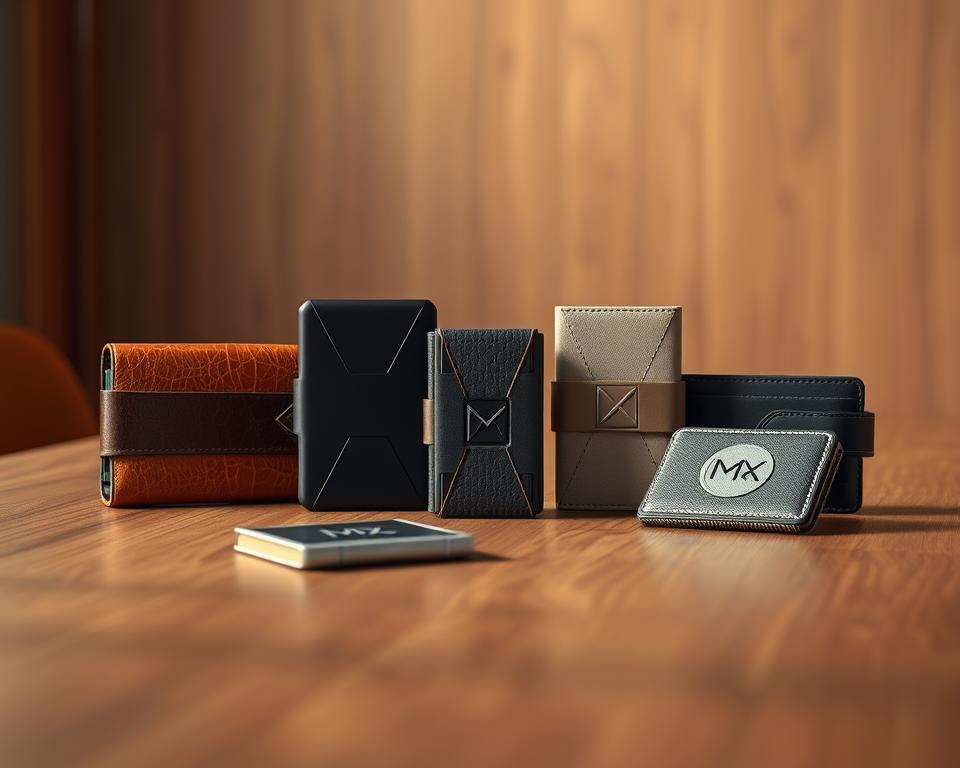
Setting Up a Cold Wallet
Setting up a cold wallet is a key step to keep your cryptocurrency safe. It’s designed to be easy but also secure. This way, your digital assets are protected from threats.
Step-by-Step Setup Process
To start, turn on your cold wallet and follow the on-screen instructions. You’ll need to create a PIN or password. Choose a PIN that’s hard to guess but easy to remember. If you forget it, you might lose access to your wallet.
Creating a Secure PIN: Make your PIN complex and hard to guess. Don’t use sequential numbers or your birthdate. It should be unique and hard to crack.
Then, you’ll need to back up your seed phrase. This is a list of words that can restore your wallet if it’s lost or damaged. Keep this phrase safe and secure.
Essential Precautions Before Use
Before you put any cryptocurrency in your wallet, make sure it’s set up right. Also, keep your seed phrase safe. Test your wallet by sending and getting back a small amount of cryptocurrency.
Security Tip: Always update your wallet’s firmware to stay safe. Check the manufacturer’s website for updates and follow their instructions.
By following these steps and precautions, you can make sure your cold wallet is ready. And your cryptocurrency will be safe.
Securing Your Recovery Seed
Keeping your recovery seed safe is key to protecting your crypto. The recovery seed is a backup key for your cold wallet. It helps you get back into your wallet if it’s lost, damaged, or hacked.
Importance of a Recovery Seed
The recovery seed is a list of 12 or 24 words. It’s the only way to get back into your wallet if you lose your device. Experts say your recovery seed is as important as your crypto. So, you must keep it very safe.
“The security of your recovery seed is directly tied to the security of your cryptocurrency. Losing it can mean losing access to your funds forever.”
So, knowing how vital a recovery seed is is the first step to keeping your crypto safe.
Best Practices for Storage
To keep your recovery seed safe, follow these tips:
- Keep your recovery seed in a safe, offline spot, like a safe or locked cabinet.
- Make extra copies of your recovery seed and store them in different, safe places.
- Don’t keep your recovery seed online or in easy spots, like your computer or the cloud.
- Think about using a metal or fireproof box to protect your recovery seed from damage.
By using these tips, you can make your recovery seed much safer. This means your crypto is safer too.
Ultimately, the security of your cryptocurrency is in your hands. By understanding the importance of your recovery seed and keeping it safe, you can rest easy knowing your digital assets are secure.
Transferring Crypto to a Cold Wallet
Securing your cryptocurrency starts with moving it to a cold wallet. This step is key to keep your investments safe from cyber threats and hacks.
Selecting Coins for Transfer
Choosing the right cryptocurrencies for your cold wallet is crucial. Most cold wallets support many coins, but check compatibility first. Pick coins you plan to keep for a long time and make sure your wallet supports them.
Steps to Select Coins:
- Check the cold wallet’s documentation for supported cryptocurrencies.
- Consider the coins you hold that are most valuable or those you plan to hold long-term.
- Verify that the cold wallet can support multiple cryptocurrencies if needed.
Step-by-Step Transfer Process
Transferring crypto to a cold wallet is easy. First, generate a receive address on your cold wallet. This address is where your crypto will go.
Generating a Receive Address:
- Open your cold wallet application or device.
- Navigate to the ‘Receive’ or ‘Deposit’ section.
- Select the cryptocurrency you wish to transfer.
- A unique receive address will be generated. Copy this address or scan the provided QR code.
Then, start the transfer from your current wallet or exchange. You’ll need to enter the receive address from your cold wallet.
Initiating the Transfer:
- Log in to your exchange or hot wallet account.
- Navigate to the ‘Send’ or ‘Withdraw’ section.
- Paste the receive address from your cold wallet.
- Enter the amount of cryptocurrency you wish to transfer.
- Review the transaction details, including any fees, and confirm the transfer.
By following these steps, you can safely move your cryptocurrency to a cold wallet. This makes your digital assets more secure.
Regular Maintenance of Your Cold Wallet
Keeping your cold wallet secure is an ongoing task. It requires regular maintenance to ensure its safety. You need to stay vigilant and proactive to keep it secure.
Firmware Updates
One key step is to update your cold wallet’s firmware regularly. These updates fix security issues found since the last update. Here’s how to update:
- Connect your cold wallet to a secure computer.
- Open the wallet’s software and go to the settings or update section.
- Look for any updates and follow the instructions to install it.
Regular firmware updates are crucial for protecting your wallet. They keep it safe from new threats and ensure it works with the latest cryptocurrencies.
Safe Storage Practices
Safe storage is also vital for your cold wallet’s security. Here are some tips:
| Storage Method | Security Level | Convenience |
|---|---|---|
| Safe or Safe Deposit Box | High | Low |
| Home Storage (e.g., locked drawer) | Medium | Medium |
| Hidden or Camouflaged Storage | Low to Medium | High |
The right storage depends on your needs and the value of your assets. It’s important to find a balance between security and ease of access. This way, your wallet stays safe and easy to use when you need it.
By following these tips and staying up to date on maintenance, you can greatly improve your cryptocurrency’s security.
Common Misconceptions About Cold Wallets
Many people think cold wallets are too hard to use or not important for keeping cryptocurrency safe. But, the truth is different.
Cold Wallets Are Too Complicated
Some think cold wallets are too complicated. But, today’s cold wallets are easy to use. They have simple interfaces that make managing cryptocurrency straightforward.
For example, many hardware cold wallets come with:
- Clear instructions for setup and use
- Simple, straightforward user interfaces
- Customer support for troubleshooting
This makes it simple for anyone to keep their cryptocurrency safe without needing to be a tech expert.
Cold Wallets Are Only for Large Holdings
Another myth is that cold wallets are only for those with a lot of cryptocurrency. But, they are good for anyone who wants to keep their cryptocurrency safe.
Using a cold wallet can give you:
- More security against hackers
- Protection from malware and viruses
- Peace of mind knowing your assets are safe offline
Whether you have a little or a lot of cryptocurrency, a cold wallet is a key tool for keeping it safe.
In summary, knowing the truth about cold wallets can clear up common myths. By picking the right cold wallet and using it right, you can greatly improve the safety of your digital assets.
Legal and Regulatory Considerations
Using a cold wallet for cryptocurrency storage means you must understand the legal and regulatory environment. The laws around cryptocurrencies are changing as they grow.
Understanding Cryptocurrency Regulations
Cryptocurrency laws differ from place to place. Some countries welcome them with clear rules, while others have strict rules or bans.
In the United States, states handle most cryptocurrency laws. But, the SEC and IRS also play big roles. Knowing these laws is key to following them.
“The lack of a unified regulatory framework for cryptocurrencies across different jurisdictions creates complexity for users and businesses alike.”
Tax Implications for Cold Wallets
Thinking about taxes when you hold cryptocurrencies in cold wallets is important. In many places, these assets are taxed like regular investments. This means you might have to pay capital gains tax on transactions.
| Jurisdiction | Tax Treatment | Reporting Requirements |
|---|---|---|
| United States | Capital Gains Tax | Form 1040 and Schedule D |
| European Union | Varies by Country | Varies by Country |
| Canada | Capital Gains Tax | T1 General and Schedule 3 |
It’s important to keep good records of your transactions. This helps you report your taxes correctly.
As laws keep changing, it’s vital to stay up to date. Knowing about new rules and tax changes is important for cold wallet users.
Disaster Recovery Planning
A good disaster recovery plan keeps your cryptocurrency safe, even when things go wrong. It’s key to keeping control over your digital assets.
Preparing for Loss or Damage
Preparing for loss or damage has several steps. First, make sure to secure your recovery seed in a safe spot. This seed is crucial for getting back your cryptocurrency if your cold wallet is lost or damaged.
Think about using a secure, fireproof safe or a bank safety deposit box for your recovery seed. It’s smart to have multiple copies of the seed in different places to avoid losing it.
Best Practices for Recovery
Good recovery practices are essential. This means checking your recovery seed often and making sure you can use it to get your cryptocurrency back on a new device if needed.
- Regularly test your recovery process to ensure it works smoothly.
- Keep your recovery seed away from unauthorized individuals.
- Consider using a recovery seed phrase that is both secure and memorable to you, but hard for others to guess.
By following these tips, you can keep your cryptocurrency safe and accessible, even when unexpected things happen.
Future of Cold Wallets in Crypto Security
Cryptocurrency is growing fast, making cold wallets more crucial for keeping digital assets safe. The future of cold wallets is tied to better security in crypto. New trends and innovations will be key.
Trends and Innovations
Cold wallet tech is changing quickly, thanks to the need for better security. Some big trends include:
- Advancements in hardware security modules (HSMs) to provide an additional layer of protection.
- Integration of biometric authentication to enhance user verification processes.
- Development of more user-friendly interfaces to make cold wallets accessible to a broader audience.
A Deloitte report says HSMs in cold wallets will grow a lot. This is because people need strong security. “The integration of HSMs into cold wallets represents a major leap forward in cryptocurrency security,” the report says.
| Innovation | Description | Impact on Security |
|---|---|---|
| Hardware Security Modules (HSMs) | Advanced security modules integrated into cold wallets. | High |
| Biometric Authentication | Use of biometric data for user verification. | High |
| User-Friendly Interfaces | Simplified interfaces for easier use. | Medium |
The Evolving Threat Landscape
As cold wallet tech gets better, so do the threats against it. The threat landscape is changing, with:
- Sophisticated phishing attacks targeting cold wallet users.
- Advanced malware designed to compromise cold wallet security.
- Physical attacks on cold wallet storage locations.
“The security of cold wallets is only as strong as its weakest link. As threats evolve, so too must the security measures surrounding cold wallets.”

In conclusion, the future of cold wallets will be shaped by new trends, innovations, and threats. As crypto grows, the need for strong security, like what cold wallets offer, is more important than ever.
Conclusion: Is a Cold Wallet Right for You?
As the world of cryptocurrency grows, keeping your digital assets safe is key. Cold wallets are a trusted way to protect your investments. They offer a safe place to store your money, away from hackers.
Assessing Your Needs
Thinking about choosing a cold wallet means looking at your needs. Check how much cryptocurrency you have and what you want to achieve. If you have a lot of cryptocurrency, a cold wallet could be perfect.
Making an Informed Decision
Before deciding, think about the type of cold wallet, how easy it is to use, and its security. Look into top brands and read what others say. Knowing the good and bad about cold wallets helps you choose wisely for your goals.
FAQ
What is a cold wallet and how does it differ from a hot wallet?
A cold wallet is a secure way to store cryptocurrency offline. It’s not connected to the internet, making it safer from hackers. Unlike hot wallets, which are online and vulnerable, cold wallets keep your private keys safe offline.
What are the benefits of using a cold wallet for cryptocurrency storage?
Using a cold wallet boosts security and keeps your assets safe offline. It also protects against hardware failures. This makes it a top choice for long-term storage of digital assets.
How do I choose the right cold wallet for my needs?
When picking a cold wallet, look at its security, ease of use, and compatibility. Check the brand’s reputation too. Brands like Ledger and Trezor offer various options for different needs.
What is the importance of a recovery seed, and how should I store it?
A recovery seed is key for restoring your cryptocurrency if your wallet is lost or damaged. Store it safely, like in a fireproof safe. Never share it with anyone.
How do I transfer cryptocurrency to a cold wallet?
To move cryptocurrency to a cold wallet, first, pick the coins you want to transfer. Then, follow the wallet’s instructions. This usually means generating a receive address and sending the coins to it.
What are the best practices for maintaining the security of my cold wallet?
Keep your wallet secure by regularly checking for updates and storing it safely. Be careful when handling it to avoid damage or unauthorized access.
Are cold wallets complicated to use, and are they only suitable for large cryptocurrency holdings?
Cold wallets are easy to use and accessible to all. They’re not just for big holdings. Anyone can use them to secure their cryptocurrency.
What are the tax implications of using a cold wallet, and how do cryptocurrency regulations affect cold wallet users?
Taxes on cold wallets depend on your location and local laws. Understand your tax situation and consult a professional if needed. Also, know the cryptocurrency regulations in your area.
How can I prepare for potential loss or damage to my cold wallet, and what are the best practices for recovery?
Prepare for loss or damage by having a disaster recovery plan. Store your recovery seed safely and have a backup plan. If lost or damaged, follow the manufacturer’s recovery steps and seek help if needed.
What is the future of cold wallets in cryptocurrency security, and what emerging trends and innovations can we expect?
The future of cold wallets will see new security features, better interfaces, and more compatibility. As threats grow, manufacturers will keep improving their products to offer strong security.
Leave a Reply