

Secure Your Crypto with the Best Hardware Wallet
The world of cryptocurrency is growing fast. Over 400 million people globally now hold digital assets. This growth highlights the need for safe storage solutions.
As more people invest in cryptocurrency, the risk of theft and loss increases. A reliable crypto wallet is essential. It offers a secure place for your digital assets.
Using a top-notch hardware wallet like Ledger Live is a smart choice. It lets you manage and stake your digital assets in one place. Ledger Live is available on both Mobile and Desktop. You can earn rewards by staking ETH, SOL, ATOM, ADA, and more.
Key Takeaways
- Secure your cryptocurrency with a reliable hardware wallet
- Manage and stake your digital assets with Ledger Live
- Earn rewards by staking popular coins and tokens
- Access your crypto wallet on both Mobile and Desktop
- Protect your digital assets from theft and loss
What is a Hardware Wallet?
In the world of cryptocurrency, keeping your assets safe is crucial. A hardware wallet is a secure physical device for sending, receiving, and storing cryptocurrencies. It keeps your wallet and sensitive data offline, away from the internet.
Definition and Purpose
A hardware wallet is a cold storage wallet that keeps your private keys safe. Its main job is to protect your cryptocurrency from online threats. This makes it vital for those with large amounts of cryptocurrency.
Using a hardware wallet offers several benefits:
- It enhances security with offline storage
- It guards against hacking and cyber attacks
- It gives you control over your private keys
How It Works
A hardware wallet stores your private keys in the device. When you want to make a transaction, you connect it to a computer or mobile. The transaction is signed offline, keeping your private keys safe from the internet.
Here’s a quick guide on how it works:
- Generate a wallet and create a backup
- Store your cryptocurrencies and tokens
- Connect the wallet to a computer or mobile to make transactions
Learning how a hardware wallet works and its benefits helps you protect your cryptocurrency. It’s a smart choice for keeping your assets safe.
Benefits of Using a Hardware Wallet
Hardware wallets are key for those who want to keep their cryptocurrency safe. They store private keys offline, which greatly lowers the chance of cyber attacks.
Enhanced Security Features
Hardware wallets come with advanced security features to safeguard your crypto. They use secure chip tech and PINs, making it hard for hackers to get to your money.
Protection Against Cyber Threats
Cyber threats are a big worry for crypto owners. Hardware wallets help by keeping your private keys offline, out of hackers’ reach.
- Protection against phishing attacks
- Secure transaction processing
- Resistance to malware and viruses
User Control Over Private Keys
Hardware wallets let you have full control over your private keys. This means you’re in charge of your crypto, without needing third-party help.
Even if you lose your wallet, you can still get your assets back. Just use your Secret Recovery Phrase to keep your crypto safe.
Popular Hardware Wallets Reviewed
Choosing the best hardware wallet can be tough with so many options. Cryptocurrency’s rise has led to many wallets for different needs. We’ll look at Ledger Nano X, Trezor Model T, and BitBox02.
Ledger Nano X
The Ledger Nano X is a favorite among crypto investors. It has Bluetooth, lots of storage, and works with many cryptocurrencies.
Key Features:
- Bluetooth for wireless transactions
- Large storage for many cryptocurrencies
- Easy-to-use interface
But, some say it needs a companion app and can have connectivity problems.
Trezor Model T
The Trezor Model T is known for its security and ease of use. It’s open-source and Wallet Scrutiny has verified it.
Advantages:
- Open-source for transparency
- Verified by Wallet Scrutiny
- Works with many cryptocurrencies
But, it doesn’t have a secure element, which might worry some users.
BitBox02
The BitBox02 is small and secure, perfect for those who want simplicity. It supports many cryptocurrencies and is easy to use.
Notable Features:
- Compact for easy carry
- Supports many cryptocurrencies
- Simple interface
In summary, each wallet has its own benefits and drawbacks. Ledger Nano X has cool features like Bluetooth. Trezor Model T is open-source for security. BitBox02 is great for those who like simple designs. Think about what you need before choosing a wallet.
Key Features to Look for in a Hardware Wallet
When picking a hardware wallet, look for key features that ensure security and ease of use. A hardware wallet is a big deal for keeping your cryptocurrencies safe. Knowing what to look for is key.
Compatibility with Different Cryptocurrencies
First, check if the wallet works with the cryptocurrencies you own. Not all wallets support all coins or tokens. Make sure the wallet you choose can handle the coins you have, like Bitcoin or Ethereum.
| Cryptocurrency | Ledger Nano X | Trezor Model T | BitBox02 |
|---|---|---|---|
| Bitcoin | Supported | Supported | Supported |
| Ethereum | Supported | Supported | Supported |
| Litecoin | Supported | Supported | Supported |
User Interface and Ease of Use
The wallet’s user interface (UI) is very important. A good UI makes managing your coins easy. A bad one can be frustrating. Look for wallets with simple designs and easy-to-follow instructions. Some also have apps that make using the wallet better.
Security Protocols and Certifications
Security is the most important thing in a hardware wallet. Look for strong security features like encryption and secure chips. Also, check if the wallet has been audited or certified. These signs show the wallet is built with security in mind.
When you buy a hardware wallet, you’re investing in your digital assets’ safety. Focus on compatibility, user interface, and security to make a smart choice.
How to Set Up Your Hardware Wallet
Setting up your hardware wallet is easy and keeps your cryptocurrency safe. It involves a few important steps to protect your digital assets.
Initial Installation Steps
To start, follow the steps given by the maker. This includes:
- Unboxing and checking your wallet for damage.
- Downloading and installing the needed software, like Trezor Suite.
- Using the app’s instructions to set up your device and create a PIN or password.
Make sure to keep your PIN or password safe and don’t share it.
Creating a Secure Backup
Making a secure backup is key. You’ll create a recovery seed phrase. This is a list of words to get back into your wallet if it’s lost or broken.
Write down your recovery seed phrase and keep it safe, like in a secure spot or a safety deposit box.

It’s smart to have many copies of your recovery seed phrase in different safe places.
Connecting to a Computer or Mobile Device
After setting up, connect your wallet to a computer or phone. You can use a USB cable or Bluetooth.
- Connect your wallet to your device.
- Open the app linked to your wallet.
- Follow the prompts to confirm the connection and allow access.
By doing these steps, you’ll have your hardware wallet ready for use.
Keeping Your Hardware Wallet Secure
To keep your digital assets safe, it’s key to follow the best security practices for your hardware wallet. A hardware wallet’s security depends on the steps you take to protect it.
Best Practices for Storage
Storing your hardware wallet safely is the first step against unauthorized access. Choose a safe or a secure location where it’s hard to reach or damage.
- Keep your hardware wallet away from extreme temperatures and moisture.
- Use a protective case to prevent physical damage.
- Store your hardware wallet in a secure location, such as a safe or a locked cabinet.
Avoiding Phishing Attacks
Phishing attacks are a big threat to cryptocurrency holders. Be careful with emails or messages asking for your wallet info.
- Never share your recovery phrase or private keys.
- Verify the authenticity of emails and messages before responding.
- Use two-factor authentication (2FA) whenever possible.
Regular Firmware Updates
Keeping your hardware wallet’s firmware up to date is vital for its security. Updates often fix new vulnerabilities.
- Check the manufacturer’s website for firmware updates.
- Follow the manufacturer’s instructions for updating your wallet’s firmware.
- Verify that the update has been successfully installed.
By following these steps, you can greatly improve your hardware wallet’s security. Also, services like Ledger Recover can help restore access to your wallet if you lose your Secret Recovery Phrase.
Understanding Wallet Recovery Options
Hardware wallets let you recover your wallet if it’s lost, damaged, or can’t be used. This adds a layer of security and peace of mind. It’s key in many situations.
Importance of Seed Phrases
Your Secret Recovery Phrase is vital for getting back into your wallet. It’s a set of 12 or 24 words. If your wallet is lost or hacked, this phrase lets you access your money on a new one. Keep it safe, as anyone with it can take control of your money.
Best practices for managing your seed phrase include:
- Write it down and keep it in a safe, offline spot.
- Don’t store it digitally, like in a photo or document.
- Never share it with anyone.
Recovery Through Third-Party Tools
Some wallets also offer recovery through third-party tools and services. This adds flexibility and support, but be careful. Make sure these services are trustworthy and secure.
When considering third-party recovery tools, look for:
- Reviews and testimonials from trusted sources.
- Clear info on their recovery processes and fees.
- Strong security to protect your data and assets.
Knowing how to recover your wallet is crucial for keeping your cryptocurrency safe. Understanding seed phrases and third-party tools helps you stay ready for any wallet issue.
Comparing Hardware and Software Wallets
Hardware and software wallets have their own strengths and weaknesses. They differ in security, ease of use, and cost. Knowing these differences helps you choose wisely.
Security Differences
Hardware wallets keep your private keys offline, making them safer from cyber threats. Software wallets, being online, face more hacking risks.
Hardware wallets offer:
- Offline storage of private keys
- Protection against phishing attacks
- Resistance to malware and viruses
A crypto security expert says, “Hardware wallets are the safest for storing cryptocurrencies. They keep private keys offline, away from hackers.”
“The security of your cryptocurrency depends on the security of your wallet. Hardware wallets provide an additional layer of protection that software wallets cannot match.”
Usability and Access
Software wallets are easier to use and offer quick access to your cryptocurrencies. They work on computers or mobile devices. But, this ease comes with more security risks.
Hardware wallets are more secure but harder to use. They need to be connected to a device, and transactions are confirmed through a separate interface.
Cost Considerations
Software wallets are often free or cheap, as they can be downloaded on existing devices. Hardware wallets, though, cost more, from $50 to over $200, depending on the brand and features.
When deciding, think about the cost versus the value of your assets. For large holdings, the extra security of a hardware wallet might be worth it.
In conclusion, choosing between hardware and software wallets depends on your needs and priorities. Understanding their security, usability, and cost helps you make a smart choice for your crypto investment.
How to Use Your Hardware Wallet for Transactions
To send and receive cryptocurrencies safely, knowing how to use your hardware wallet is key. A hardware wallet is a physical device that keeps your private keys safe. It lets you make cryptocurrency transactions securely.
Sending and Receiving Crypto
To send or receive cryptocurrencies, follow a few easy steps. To get cryptocurrency, create a receive address on your wallet and share it with the sender. To send, confirm the transaction details on your wallet, making sure the recipient’s address and amount are right.
Receiving Crypto: Go to the receive section on your wallet, create a new address, and give it to the sender.
Sending Crypto: Put in the recipient’s address and the amount you want to send on your wallet’s interface. Then, confirm the transaction on the device.
Interaction with Exchanges
Using your hardware wallet with cryptocurrency exchanges helps you manage your funds safely. You can connect your wallet to an exchange via USB or a compatible interface. This lets you move cryptocurrencies between your wallet and the exchange for trading.
- Connect your hardware wallet to the exchange platform.
- Authorize the connection on your hardware wallet.
- Transfer cryptocurrencies between your wallet and the exchange.
Checking Balance and Transaction History
Your hardware wallet lets you see your cryptocurrency balance and past transactions. This info is key for managing your assets well. By using your wallet’s interface, you can see your current balance and a detailed record of past transactions.
To check your balance: Open your hardware wallet, then go to the balance or portfolio section.
To view transaction history: Find the transactions or history section on your hardware wallet.
Integrating Your Hardware Wallet with Other Services
The world of cryptocurrency is growing fast. It’s now key to link your hardware wallet with other services. This makes managing your digital money safer and easier.
Connecting to DApps
Decentralized Applications (DApps) are changing how we use blockchain. By linking your hardware wallet to DApps, you can safely use blockchain services. For example, Ledger lets you buy, swap, and manage crypto safely through Ledger Live.
To connect your wallet to DApps, follow these steps:
- Make sure your wallet is updated.
- Open the DApp you want to connect to and find the wallet settings.
- Pick your wallet from the list and follow the prompts to connect.
Using with NFT Platforms
NFTs have opened new doors for creators and collectors. Linking your wallet to NFT platforms keeps your digital assets safe. This is key for protecting your digital treasures.
Many NFT marketplaces work with popular hardware wallets. This lets you:
| NFT Platform Feature | Hardware Wallet Benefit |
|---|---|
| Secure Storage | Keeps NFT ownership and history safe |
| Buying and Selling | Makes transactions safe without sharing private keys |
Compatibility with Wallet Aggregators
Wallet aggregators help manage many wallets and cryptocurrencies in one place. Linking your wallet to an aggregator makes managing your assets easier and more secure.
“The integration of hardware wallets with wallet aggregators represents a significant step forward in cryptocurrency management, offering users enhanced security and convenience.”
When picking a wallet aggregator, look at these things:
- Is it compatible with your wallet?
- Is it easy to use?
- Does it have good security features?
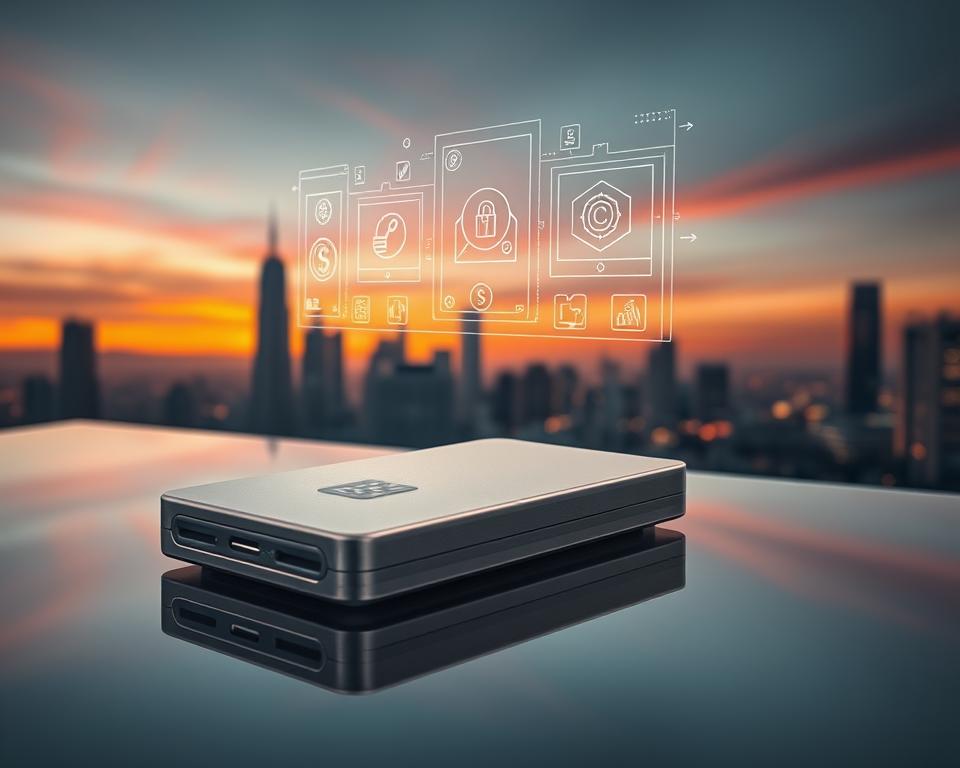
By linking your wallet with services like DApps, NFT platforms, and aggregators, you boost your crypto experience. This integration makes managing your assets smoother and keeps your money safe.
Common Misconceptions About Hardware Wallets
Many people don’t understand hardware wallets well. They think they’re not needed or don’t work well for keeping cryptocurrency safe.
Myths vs. Facts
Some think hardware wallets are too hard to use. But, most are easy to set up and use. They have simple interfaces that help you get started.
Key Facts:
- Hardware wallets keep your private keys safe offline, which lowers cyber attack risks.
- They work with many cryptocurrencies, making them great for managing different investments.
- They also have extra security like PINs and encryption.
Addressing Security Fears
Some worry that hardware wallets can be hacked. But, good makers update their devices often to fix any problems. This keeps them safe.
Make sure to buy from trusted sellers to avoid fake products.
Best Practices for Security:
- Always check the wallet’s realness before buying.
- Keep your recovery seed phrase safe and secure.
- Update your wallet’s firmware regularly.
Best Practices for Managing Multiple Hardware Wallets
Managing many hardware wallets needs a smart plan for safety and easy access. Users often have different wallets for various needs, like a hot wallet for daily use and a cold wallet for long-term storage.
Organizing Your Assets
It’s key to organize your wallets well. Sort them by use: daily, long-term, or for specific coins. Label each wallet clearly and keep a record of their details in a safe place offline.
Think about using a password manager for your wallet info. It adds extra security against hackers.
Tips for Effective Usage
To handle many wallets well, keep them updated with the latest security fixes. Check each wallet’s transaction history and balance often for odd activity.
- Use a consistent method for backing up your wallets.
- Regularly test your backups to ensure they are recoverable.
- Consider using a wallet aggregator to monitor your assets across different wallets in one place.
By following these tips, users can make managing many wallets safer and more efficient. This keeps their crypto assets safe and sound.
The Future of Hardware Wallet Technology
Hardware wallets are getting better in security and ease of use. We’re seeing new trends and innovations that will change how we keep our cryptocurrencies safe.
Emerging Trends and Innovations
Advanced biometric authentication like fingerprint and facial recognition is becoming common. This makes wallets more secure. Also, wallets are getting easier to use, welcoming more people to the world of crypto.
The Grid Lattice Plus is a great example. It’s known for its ability to decode complex transactions easily. This is a big plus for those who aren’t tech experts but still want to manage their crypto safely.
- Enhanced Security Features: Future wallets will have stronger security, like better encryption and secure chips.
- Improved User Interfaces: New designs will make it simpler for users to handle their assets.
- Compatibility with Emerging Technologies: Next-generation wallets will work well with new tech like DeFi and NFTs.
Potential Challenges Ahead
There are hurdles to overcome in the future of hardware wallets. Keeping them secure without making them hard to use is a big challenge. We need wallets that are both safe and easy for everyone to use.
Other challenges include:
- Regulatory Compliance: Manufacturers must keep up with changing rules.
- Cybersecurity Threats: Wallets need to stay ahead of hackers.
- Market Competition: As more wallets come out, competition will grow, leading to more innovation or consolidation.
In summary, the future of hardware wallets looks promising. But, we must tackle these challenges to make this future a reality.
Customer Support and Resources
Exploring hardware wallets can be tough without the right help. It’s key to have reliable support and resources for a smooth journey.
Finding Help When You Need It
Many hardware wallet makers, like Trezor, have dedicated support teams. They offer help through FAQs, email, or live chat. Knowing how to reach out to your wallet’s support is important.
Key aspects to look for in customer support include:
- Response time: How quickly does the support team respond to queries?
- Knowledge base: Is there a comprehensive database of FAQs and troubleshooting guides?
- Contact methods: Are there multiple ways to get in touch, such as email, phone, or live chat?
Online Communities and Forums
Online forums and communities are also great resources. Sites like Reddit, Twitter, and cryptocurrency forums are full of discussions. They share experiences and tips on hardware wallets.
Participating in these communities can:
- Provide insights into common issues and their resolutions.
- Offer a platform to ask questions and receive feedback from experienced users.
- Keep you updated on the latest developments and best practices in hardware wallet security.
In conclusion, using both official support and online forums can greatly improve your experience with hardware wallets. Being proactive and using these resources ensures your cryptocurrency is safe and well-managed.
Conclusion: Choosing the Right Hardware Wallet for You
Choosing the right hardware wallet is key to keeping your cryptocurrency safe. There are many options out there. It’s important to think about what you need and make a smart choice.
Evaluating Your Needs
Look at things like which cryptocurrencies the wallet supports, how easy it is to use, and its security features. The Ledger Nano X, Trezor Model T, and BitBox02 are well-liked for different reasons. Think about what you need to find the best wallet for you.
Making an Informed Decision
Know what you need and compare the features of different wallets. This helps you choose wisely. It means your cryptocurrency is safe and you can easily get to your money. Picking the right wallet is vital for managing your digital assets well.
FAQ
What is a hardware wallet and how does it work?
A hardware wallet is a physical device that keeps your private keys safe offline. It’s a secure way to manage your cryptocurrency. It generates and stores your private keys, allowing you to sign transactions without exposing your keys online.
Why should I use a hardware wallet instead of a software wallet?
Hardware wallets are more secure because they keep your private keys offline. They protect against cyber threats better than software wallets. Software wallets are more vulnerable to hacking and malware.
How do I choose the best hardware wallet for my needs?
Look at compatibility with your cryptocurrencies, user interface, and security features. Choose wallets that support your cryptocurrencies and have an easy-to-use interface. Also, check for security certifications and protocols like encryption and secure chip technology.
What is the importance of seed phrases in wallet recovery?
Seed phrases are key for wallet recovery. They help restore your wallet and access your cryptocurrency if your hardware wallet is lost or damaged. Always store your seed phrase securely and never share it.
Can I use my hardware wallet with multiple devices?
Yes, most hardware wallets work with computers and mobile devices. But, follow the manufacturer’s guidelines for connecting to different devices. Make sure your device is secure and free from malware.
How do I keep my hardware wallet secure?
Store your wallet in a safe place and avoid phishing attacks. Regularly update your firmware. Use a secure PIN or password and never share your seed phrase or private keys.
What is the difference between a hardware wallet and a cold storage wallet?
A hardware wallet is a type of cold storage wallet that stores your private keys offline. Both offer secure storage, but hardware wallets are more user-friendly and easier to manage transactions.
Can I integrate my hardware wallet with other services, such as DApps or NFT platforms?
Yes, many hardware wallets can connect with DApps, NFT platforms, and wallet aggregators. Check with your manufacturer to see what integrations are available and how to set them up.
How do I recover my cryptocurrency if I lose my hardware wallet?
Use your seed phrase to recover your cryptocurrency if you lose your wallet. Store your seed phrase securely and follow the manufacturer’s recovery guidelines.
Are hardware wallets compatible with different types of cryptocurrency?
Most hardware wallets support many cryptocurrencies. But, check the manufacturer’s specifications to ensure your wallet supports your cryptocurrencies.
What are the benefits of using a top-rated hardware wallet, such as Ledger Nano X or Trezor Model T?
Top-rated wallets like Ledger Nano X or Trezor Model T offer advanced security and user-friendly interfaces. They support a wide range of cryptocurrencies, providing a reliable and secure way to manage your cryptocurrency.
How do I buy a hardware wallet?
Buy from the manufacturer’s official website or authorized resellers. Be careful of counterfeit products and only buy from reputable sources.
What are the best practices for managing multiple hardware wallets?
Keep track of your assets and use a secure storage solution. Regularly update your firmware. Use a consistent naming convention and keep your seed phrases secure.
Leave a Reply